Abdullah Gül: Known for His Role in Judicial Reforms

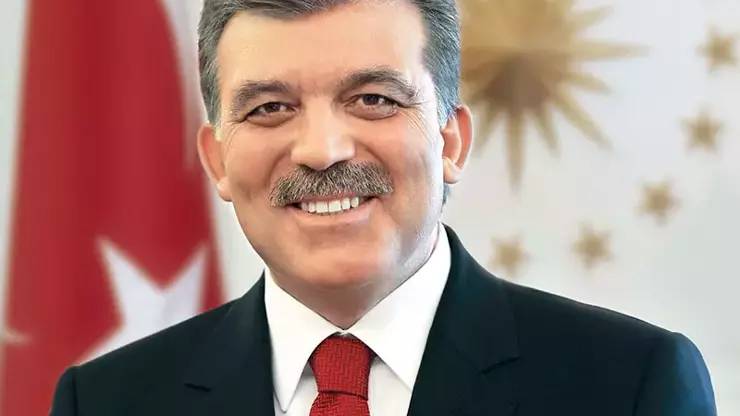
markoinbangkok.com – Abdullah Gül, the 11th President of Turkey, served from 2007 to 2014, playing a key role in the country’s political and judicial transformations. Gül was one of the founding members of the Justice and Development Party (AKP) alongside Recep Tayyip Erdoğan and served in several important government positions, including Prime Minister and Foreign Minister, before becoming president. Known for his pragmatic approach to governance and his efforts to modernize Turkey’s judiciary, Gül’s presidency marked a period of significant political change, constitutional reforms, and advancements in Turkey’s relationship with the European Union.

Gül’s presidency was marked by his focus on strengthening Turkey’s democratic institutions, promoting judicial reforms, and enhancing Turkey’s international standing. He is often credited with advocating for important reforms that were intended to consolidate democracy and the rule of law, as well as efforts to maintain Turkey’s secular identity amidst rising political Islam.

Early Life and Political Career

Abdullah Gül was born on October 29, 1950, in Kayseri, Turkey. He completed his education in economics at Istanbul University and furthered his studies at the University of Exeter in the United Kingdom. Gül’s early career in academia and banking laid the foundation for his future in politics, where he would become a key figure in Turkey’s political landscape.

Gül’s political career began in the 1990s when he was elected to the Turkish Grand National Assembly. He soon emerged as a leading figure in the Welfare Party and later in the Justice and Development Party (AKP), which he helped to establish in 2001, along with Erdoğan and other political figures. Gül served as Turkey’s Foreign Minister and Deputy Prime Minister in the AKP government before being elected as president in 2007.

Becoming President of Turkey

In 2007, Abdullah Gül was elected as the 11th President of Turkey. His election followed a contentious period of political polarization, during which his candidacy faced opposition from secularist groups due to his Islamist-leaning background. Gül’s election was seen as a turning point in Turkey’s political evolution, as it marked the increasing prominence of political Islam in the country’s leadership, even as the secular establishment remained influential.

Despite the tensions surrounding his election, Gül was seen as a moderate and conciliatory figure, able to bridge the divide between Turkey’s secular and religious factions. His election was confirmed by the Turkish Grand National Assembly after a series of political crises, signaling a shift in Turkey’s political landscape, but also a willingness to preserve the country’s democratic institutions.

Judicial Reforms and the Rule of Law

One of the most important aspects of Abdullah Gül’s presidency was his focus on judicial reforms, which aimed to modernize Turkey’s legal system and align it more closely with European Union standards. These reforms were part of a broader effort to strengthen Turkey’s democratic institutions and fulfill the criteria for EU membership, which remained a key goal for Gül throughout his presidency.

Judicial Reforms

Gül’s presidency coincided with a period of significant changes in Turkey’s judiciary. His administration pushed for reforms that aimed to reduce the influence of the military in Turkish politics and strengthen the independence of the judiciary. These reforms were crucial in addressing criticisms that Turkey’s legal system had been used as a tool of political control, particularly in cases related to political opposition and civil liberties.

One of the most notable judicial reforms during Gül’s presidency was the 2010 constitutional amendment referendum, which was supported by Gül and the AKP. The referendum, which passed with overwhelming support, aimed to overhaul Turkey’s judicial system and reduce the influence of the military on political life. It included provisions that would allow for greater civilian oversight of the military and increase the independence of the judiciary by reshaping the structure of Turkey’s Constitutional Court and the Higher Council of Judges and Prosecutors.

Strengthening the Rule of Law

Gül’s presidency also focused on the importance of the rule of law in Turkey’s political development. His legal background and his commitment to democratic principles made him a strong advocate for judicial independence and human rights. Under his leadership, Turkey made significant strides toward aligning its legal and constitutional framework with European Union norms, particularly regarding individual rights, freedom of expression, and the protection of minorities.

During Gül’s time in office, Turkey worked to reform laws that had long been criticized for limiting freedoms of speech, assembly, and press. Although there were still challenges regarding the protection of civil liberties, Gül’s administration pushed for reforms to address some of the country’s most pressing legal issues. His government supported the expansion of personal freedoms and the protection of human rights, although political tensions and restrictions on the press continued to draw criticism from both domestic and international observers.

Foreign Policy and EU Accession

In addition to his domestic reforms, Abdullah Gül’s presidency was also marked by a proactive approach to foreign policy. As a former Foreign Minister, Gül brought a wealth of diplomatic experience to the presidency. He worked to strengthen Turkey’s relationships with both the European Union and the Middle East, balancing Turkey’s traditional alliances with the West while also engaging with its regional neighbors.

European Union Membership

Gül was a staunch advocate for Turkey’s EU accession, and his presidency played an important role in keeping Turkey’s EU ambitions alive. Although progress on EU membership stalled during his time in office, Gül remained committed to the process and pushed for continued reforms to bring Turkey closer to meeting the EU’s political and economic standards.

His efforts were seen as instrumental in maintaining Turkey’s pro-European stance, despite increasing political tensions with some EU member states. Gül believed that Turkey’s future lay within the EU, and he made significant diplomatic efforts to promote the country’s candidacy, especially at a time when Turkey faced opposition from certain European leaders.

Improved Relations with the Middle East

During his presidency, Gül also worked to improve Turkey’s relations with its Middle Eastern neighbors. His government pursued a policy of “zero problems with neighbors,” aimed at fostering better diplomatic and economic ties with countries such as Syria, Iraq, and Iran. Gül’s foreign policy emphasized Turkey’s role as a regional power and its commitment to peace and stability in the Middle East.

This policy of engagement led to a series of diplomatic successes, including Turkey’s increased role in Middle Eastern peace processes and its efforts to mediate between rival factions in the region. However, Gül’s foreign policy was also marked by challenges, including Turkey’s response to the Syrian civil war and its changing relations with the European Union.

Challenges and Political Polarization

Abdullah Gül’s presidency was not without its challenges. Despite his efforts to bridge political divides, Turkey remained a deeply polarized country during his time in office. Tensions between secularists and Islamists continued to shape Turkish politics, and Gül’s attempts to navigate these divisions were often complicated by political conflicts, particularly with the military and secular elites.

In 2007, Gül’s candidacy for president sparked significant opposition from secularist groups, who feared that his background in political Islam represented a shift away from Turkey’s secular traditions. While Gül was able to secure the presidency, his election marked a turning point in Turkish politics, as the influence of political Islam became more apparent.

Gül’s presidency was also marked by tensions within his own political party, the AKP. While he was seen as a moderate figure, the increasing consolidation of power by Recep Tayyip Erdoğan, particularly after Gül’s term ended, led to questions about the future direction of Turkish politics and the role of the presidency.

Legacy

Abdullah Gül’s presidency left a lasting legacy on Turkey’s judicial system and its political landscape. His role in pushing forward judicial reforms, particularly through the 2010 constitutional amendments, helped reshape Turkey’s legal system and reduced the military’s influence over politics. His commitment to EU membership and the strengthening of Turkey’s democratic institutions positioned Gül as a key figure in Turkey’s modern history.

Though Gül’s presidency was often overshadowed by the growing power of Erdoğan and the AKP, his tenure is remembered for its focus on judicial reform, democratic values, and foreign policy. His pragmatic approach to governance and his commitment to Turkey’s modernization continue to influence political discourse in Turkey today.

Crazy Joe (1974): ATale of Mob Rivalries and Betrayal

markoinbangkok.com – Crazy Joe (1974), directed by Carlo Lizzani, is a crime drama film that delves into the world of organized crime and the ruthless power struggles within the mob. The film is centered on the character of Joe, a hot-headed and ambitious mobster, played by Peter Boyle. Amidst the violence and betrayal that define the world of the Mafia, the character of Anne, portrayed by [insert actress’s name], plays a significant role. She is entwined in Joe’s chaotic life, offering a glimpse into the personal side of the mob’s underworld. Through Anne’s character, the film explores themes of loyalty, love, and the complex relationships that exist in the dangerous world of organized crime.

Plot Overview: A Mobster’s Rise and Fall

Crazy Joe follows Joe, a New York mobster determined to climb the ranks within the Mafia, even if it means breaking the rules of the organization. The film focuses on his violent pursuit of power, as he becomes embroiled in internal mob rivalries and faces betrayal from those closest to him. His ambitions lead him to make rash decisions, turning his life into a whirlwind of bloodshed and confrontation.

Anne, the character played by [insert actress’s name], enters Joe’s life at a pivotal moment. She serves as a love interest, providing emotional depth to Joe’s otherwise violent and chaotic world. However, her involvement with Joe is far from simple, and she becomes entangled in the dangerous world he inhabits. Anne’s relationship with Joe complicates his already fraught existence, as she is drawn into the power struggles that ultimately define the film’s tragic arc.

Anne: The Tragic Love Interest in a World of Violence

Anne’s character is a complex one. She is not merely a passive love interest, but a woman who is forced to navigate the perilous world of organized crime alongside Joe. Although she is deeply involved in the emotional core of the story, Anne’s role in the film extends beyond being a simple romantic foil. She embodies the tragic consequences of love and loyalty in an environment where trust is fragile and betrayal lurks at every corner.

Her relationship with Joe is marked by moments of tenderness, but it is also fraught with tension, as Anne finds herself caught between her affection for him and the destructive nature of his ambition. She is drawn to Joe’s raw energy and his commitment to climbing the criminal ranks, yet her moral compass stands in stark contrast to his. Anne’s character represents the emotional toll that mob life takes on those who are entangled in it, and she is a symbol of innocence lost in the violent world Joe inhabits.

As Joe’s rise in the Mafia becomes increasingly dangerous, Anne finds herself in the crossfire. Her character serves as both a grounding force in Joe’s life and a victim of the very violence that defines his existence. Her love for Joe becomes a source of conflict, as she is forced to reconcile her feelings with the realization that the world she is now a part of is one of constant danger and betrayal.

Themes of Loyalty, Betrayal, and Corruption

At its core, Crazy Joe is a film about the dynamics of power, loyalty, and betrayal within the Mafia. Anne’s character plays a key role in illustrating how these themes affect the lives of those who are caught up in the underworld. Her relationship with Joe serves as a microcosm of the larger narrative, where personal connections are constantly tested by the violence and ruthlessness of the mob.

The film explores the idea that loyalty in the Mafia is often a fragile concept, with betrayal lurking behind every corner. Joe’s own quest for power leads him to make choices that alienate those around him, including Anne. Her involvement with him forces her to grapple with the ethical and emotional dilemmas that come with loving a man who is so deeply enmeshed in the world of crime.

Anne’s journey in Crazy Joe is a tragic one. She begins as a woman who seems to believe in the possibility of a life with Joe outside the realm of organized crime, but as Joe’s actions become more reckless, she is forced to confront the harsh realities of his world. Anne becomes a symbol of the destructive consequences of the mob lifestyle—not only on those directly involved in crime but also on those who become ensnared in its web.

The Dark World of Organized Crime in 1970s Cinema

Crazy Joe was released during the 1970s, a decade that saw a surge in crime films reflecting the societal disillusionment of the time. The film’s portrayal of the Mafia is in line with other films of the era that sought to present organized crime as a morally ambiguous world where personal ambitions and loyalty clash with the realities of violence and corruption.

Anne’s role in the film highlights the emotional cost of being involved with individuals who are part of the criminal underworld. Her relationship with Joe demonstrates how the corrupting influence of crime can extend beyond the individuals directly involved, affecting those who are close to them. In this way, Anne serves as both a character caught in a toxic relationship and a witness to the devastating consequences of a violent, morally bankrupt world.

The Legacy of Crazy Joe and Anne’s Role in the Narrative

While Crazy Joe did not achieve widespread commercial success, it remains an important part of the 1970s crime film genre. The film captures the gritty realism and moral ambiguity that characterized many of the era’s crime dramas, and Anne’s character is an integral part of its exploration of love, loyalty, and betrayal in the Mafia.

Anne’s impact on the narrative is lasting, as she provides a humanizing force in Joe’s otherwise brutal world. Her role as a love interest is more than just a romantic subplot; she is a character who forces Joe to confront the consequences of his actions and the limits of his ambition. Through her, the film explores the emotional toll that crime and violence can have on personal relationships, making Anne a pivotal figure in the story.

Conclusion

Crazy Joe (1974) is a gritty crime drama that explores the complex relationships and power struggles within the Mafia. Anne’s character, played by [insert actress’s name], serves as a tragic love interest whose involvement with Joe highlights the emotional and moral complexities of life in the criminal underworld. Her relationship with Joe is marked by both tenderness and tension, as she navigates the dangers and betrayals that come with loving a mobster. Through Anne’s character, the film explores the themes of loyalty, betrayal, and the devastating consequences of the violent world Joe inhabits, making her an essential part of the narrative’s emotional and moral framework.

The Dual Role of Glasses: From Function to Fashion

markoinbangkok.com – Glasses have evolved significantly over the centuries, transforming from a simple functional device to a powerful fashion statement. While their primary purpose remains to correct vision, glasses today also serve as a key accessory in personal style. This dual role of glasses highlights the intersection of practicality and aesthetics in eyewear.

The Functional Origins of Glasses

The invention of glasses dates back to the late 13th century, when they were primarily used to aid those with farsightedness. Early glasses were rudimentary, with basic lenses held together by frames made of wood, metal, or bone. As understanding of optics improved, so did the design and effectiveness of glasses, making them indispensable for millions of people worldwide.

Technological Advancements in Eyewear

Over time, technological advancements have transformed glasses into precise instruments for vision correction. Modern lenses are crafted using sophisticated materials and techniques to address a wide range of vision issues, including nearsightedness, astigmatism, and presbyopia. Innovations such as anti-reflective coatings, blue light filtering, and progressive lenses have further enhanced the functionality of glasses, making them more comfortable and effective.

The Rise of Glasses as Fashion Accessories

In the mid-20th century, glasses began to shift from purely functional objects to fashion accessories. Celebrities and public figures started to embrace eyewear as part of their signature looks, paving the way for glasses to become a central element in personal style. This change was accompanied by a growing variety of frame shapes, colors, and materials, allowing individuals to express their personality through their choice of eyewear.

The Influence of Designers and Brands

The eyewear industry has seen an influx of designers and luxury brands, each bringing their unique aesthetics to glasses. High-end fashion houses and independent designers alike have contributed to the diversity of styles available, from classic and understated to bold and avant-garde. This has made glasses not only a practical tool but also a coveted fashion item, often reflecting the latest trends in the broader fashion world.

The Role of Glasses in Personal Identity

For many, glasses are more than just a vision aid; they are an integral part of their identity. The right pair of glasses can boost confidence, complement facial features, and complete an outfit. Whether opting for a minimalist design or an eye-catching frame, individuals use glasses to convey their taste, creativity, and individuality.

Conclusion

Glasses have come a long way from their origins as simple vision aids. Today, they occupy a dual role as both functional necessities and fashionable accessories. This evolution reflects broader changes in society’s approach to personal style, where practicality and aesthetics are increasingly intertwined. As technology continues to advance and fashion trends evolve, glasses will undoubtedly continue to play a vital role in both vision correction and personal expression.

The Role of Family in Asian Cultures: A Comparative Study

markoinbangkok.com – Family is a fundamental social unit that plays a crucial role in shaping cultural values, social structures, and individual identities. In Asian cultures, the family is often seen as the cornerstone of society, influencing everything from daily life to long-term aspirations. This article explores the role of family across different Asian cultures, highlighting similarities and differences in family dynamics and values.

The Importance of Family in Asian Cultures

Filial Piety

Filial piety, a concept rooted in Confucian philosophy, is a central tenet in many Asian cultures, particularly in China, Japan, and Korea. It emphasizes respect, obedience, and care for one’s parents and ancestors. This value is deeply ingrained in the social fabric and influences how family members interact with each other. Children are often expected to prioritize family obligations and maintain strong ties with their parents throughout their lives.

Extended Family Structures

In contrast to the nuclear family model prevalent in Western societies, many Asian cultures embrace extended family structures. It is common for multiple generations to live under one roof, fostering a sense of community and mutual support. This arrangement allows for the sharing of resources and responsibilities, with family members often taking on roles in childcare, elder care, and household management.

Family as a Social and Economic Unit

In many Asian countries, the family functions as both a social and economic unit. Family businesses are a common phenomenon, with successive generations contributing to and benefiting from shared enterprises. This collective approach to economic activity underscores the importance of family ties in achieving financial stability and success.

Comparative Analysis of Family Roles in Different Asian Cultures

China

In China, the family is viewed as the primary unit of society, with strong emphasis on hierarchy and filial piety. Parents are highly respected, and children are expected to contribute to the family’s well-being. The one-child policy, in place until 2015, has also shaped family dynamics, leading to increased focus on the single child’s success and future.

India

Indian families are typically large and extended, with strong emphasis on joint family systems. Family members often live together or in close proximity, and decisions regarding marriage, career, and education are made collectively. Respect for elders and adherence to traditional roles are key aspects of Indian family life.

Japan

Japanese families have undergone significant changes in recent decades, with a shift towards nuclear families and declining birth rates. However, traditional values such as respect for elders and the importance of family remain strong. The concept of “ie” (household or family) plays a significant role in shaping social identity and responsibilities.

Thailand

In Thailand, family ties are characterized by warmth and closeness. The concept of “kreng jai,” which involves consideration and respect for others, influences family interactions. Thai families often prioritize harmony and avoid conflict, with emphasis on mutual support and cooperation among family members.

Challenges and Changes in Modern Times

While traditional family values remain strong in many Asian cultures, modernization and globalization are bringing about changes. Urbanization, increased mobility, and changing economic conditions are reshaping family structures and roles. Younger generations are increasingly exposed to different cultural influences, leading to shifts in attitudes towards marriage, gender roles, and individualism.

Conclusion

The role of family in Asian cultures is deeply rooted in history and tradition, serving as a vital pillar of social organization and identity. While there are common themes such as filial piety and extended family structures, there is also significant diversity in how families function across different Asian cultures. As societies continue to evolve, the family remains a dynamic and integral part of cultural life, adapting to new challenges while preserving core values.

The Role of Easter Island in Polynesian History

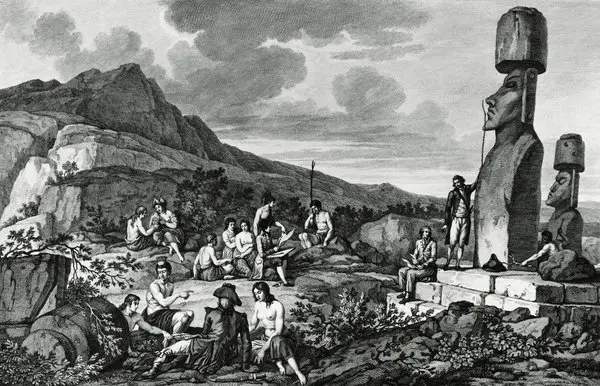
markoinbangkok.com – Easter Island, known as Rapa Nui to its indigenous inhabitants, holds a unique and significant place in Polynesian history. Located in the southeastern Pacific Ocean, this remote island has captivated the world with its mysterious giant stone statues, known as moai, and its complex cultural legacy. This article explores the historical significance of Easter Island within the broader context of Polynesian history, focusing on its settlement, cultural development, and interactions with other Polynesian societies.

Early Settlement and Cultural Development

Easter Island is believed to have been settled by Polynesian voyagers around 1200 CE, although some estimates suggest it could have been as early as 300-400 CE. These early settlers, likely originating from the Marquesas Islands, brought with them a variety of plants and animals, including bananas, taro, sugarcane, paper mulberry, chickens, and Polynesian rats. The island’s initial landscape was lush and covered with a now-extinct palm tree species, which played a crucial role in the early Polynesian economy.

The Polynesian settlers developed a complex society with a clear class system, including an ariki (king) who wielded absolute power. The most visible element of their culture was the production of massive moai, which were part of their ancestral worship practices. These statues, carved from volcanic tuff, are a testament to the advanced craftsmanship and engineering skills of the Rapa Nui people.

Cultural and Technological Achievements

The moai of Easter Island are not only iconic but also represent a significant technological and cultural achievement. The statues, which average 13 feet in height and weigh around 14 tons, were carved from a single piece of stone and then transported to various ceremonial sites around the island. The process of creating and moving these massive statues required a high degree of organization, cooperation, and technical skill, reflecting the sophisticated nature of Rapa Nui society.

The Rapa Nui also developed a unique script known as rongorongo, which remains undeciphered to this day. This script, found on wooden tablets, is believed to have been used for record-keeping and possibly for religious or ceremonial purposes.

Interactions with Other Polynesian Societies

Easter Island’s location made it a unique outpost in the Polynesian world, situated at the easternmost point of the Polynesian Triangle. Despite its isolation, there is evidence of cultural and possibly genetic links between the Rapa Nui and other Polynesian societies, as well as with South American cultures. The presence of sweet potatoes, which are native to South America, suggests that there may have been contact or trade between Easter Island and the South American mainland.

The Norwegian explorer Thor Heyerdahl proposed that Easter Island had connections with South American cultures, based on similarities in cultural artifacts and legends. However, DNA analysis of modern Rapa Nui inhabitants indicates that they are predominantly of Polynesian descent, with little evidence of significant South American genetic influence.

Decline and Colonial Impact

The history of Easter Island is also marked by periods of decline and external influence. The island experienced environmental collapse, likely due to deforestation and overexploitation of resources, which led to a decrease in the population and the cessation of moai construction. The arrival of European explorers in the 18th century, followed by colonial contact and exploitation, further impacted the Rapa Nui people. Slavery, disease, and cultural disruption during the 19th century significantly reduced the population and threatened the survival of Rapa Nui culture.

Modern Significance

Today, Easter Island is a Chilean territory and a UNESCO World Heritage Site, known for its archaeological sites and cultural heritage. The island’s economy is largely based on tourism, which has helped to preserve and promote Rapa Nui culture. Efforts are being made to restore and protect the moai and other archaeological sites, ensuring that the legacy of this unique Polynesian society continues to inspire and educate people around the world.

In conclusion, Easter Island’s role in Polynesian history is multifaceted, encompassing early settlement, cultural and technological achievements, interactions with other societies, and the challenges of environmental and colonial impacts. The island’s story is a testament to the resilience and ingenuity of the Rapa Nui people, and it continues to captivate the imagination of scholars and the public alike.

Building a Strong Identity: The Role of Design in Branding

markoinbangkok.com – In the competitive landscape of business, a strong brand identity is crucial for standing out and connecting with consumers. Design plays a pivotal role in shaping this identity, acting as the visual language that communicates a brand’s values, personality, and promise to its audience. From logos and color schemes to packaging and digital interfaces, every design element contributes to the overall brand experience.

The Power of First Impressions

Design is often the first point of contact between a brand and its potential customers. It’s the visual hook that captures attention and creates a lasting impression. A well-designed logo, for example, can instantly convey the essence of a brand, while a poorly designed one can deter interest. Therefore, design must be strategic, reflecting the brand’s core message and appealing to its target audience.

Consistency in Design

Consistency is key in building a strong brand identity. Every touchpoint with the brand should reinforce its design elements, creating a cohesive and recognizable presence across various platforms and media. This includes maintaining a consistent color palette, typography, and imagery style. Consistency not only strengthens brand recognition but also fosters trust and reliability among consumers.

Design as a Differentiator

In a crowded marketplace, design can be the differentiating factor that sets one brand apart from another. It’s an opportunity to showcase innovation, creativity, and a unique perspective. Brands that invest in thoughtful design are more likely to be perceived as leaders in their field, driving customer loyalty and advocacy.

The Emotional Connection

Design has the power to evoke emotions and tell a story. By leveraging the principles of design, such as color psychology and visual hierarchy, brands can create a narrative that resonates with their audience on a personal level. This emotional connection is vital for building long-term relationships and fostering brand loyalty.

Adaptability and Evolution

While consistency is important, brands must also be adaptable and willing to evolve their design over time. The market is dynamic, and consumer preferences change. A brand’s design should reflect its growth and remain relevant without losing its core identity. This balance between evolution and continuity ensures that the brand remains engaging and exciting for its audience.

Conclusion

Design is not just about making things look good; it’s about building a strong brand identity that resonates with consumers and sets a brand apart in the marketplace. By strategically using design elements to communicate values, create consistency, differentiate from competitors, and foster emotional connections, brands can establish a lasting presence in the hearts and minds of their audience. In today’s visually driven world, the role of design in branding is more important than ever.

The Role of Women in Farming and Agriculture

markoinbangkok.com – Women have been integral to farming and agriculture for centuries, playing crucial roles in food production, rural economies, and community resilience. Despite often facing significant challenges and inequalities, women farmers and agricultural workers are key contributors to global food security and sustainable development. This article explores the multifaceted role of women in agriculture and the importance of recognizing and supporting their contributions.

Women as Food Producers

Women are primary food producers in many parts of the world, particularly in subsistence farming communities. They are responsible for a significant portion of the agricultural labor, including planting, harvesting, and post-harvest processing. In some regions, women produce up to 80% of the food. Their work is essential for household nutrition and food security.

Role in Biodiversity Conservation

Women farmers often have extensive knowledge of local crops and seeds, which is crucial for biodiversity conservation. They are more likely to cultivate a variety of crops, including indigenous and heirloom varieties, which are vital for genetic diversity and resilience to pests and diseases. This traditional knowledge is a valuable asset in sustainable agriculture.

Contribution to Rural Economies

Women play a critical role in rural economies by generating income through farming, selling produce at local markets, and engaging in value-added activities such as food processing and crafts. Their economic contributions support household livelihoods and can drive community development.

Leadership in Sustainable Practices

Women are often at the forefront of adopting sustainable farming practices. They are more likely to use organic methods, conserve water, and implement soil conservation techniques. This leadership in sustainability is essential for addressing climate change and ensuring the long-term viability of agriculture.

Challenges Faced by Women in Agriculture

Despite their significant contributions, women in agriculture face numerous challenges, including limited access to land, finance, and agricultural training. Gender inequalities can restrict their ability to own land, access credit, and participate in decision-making processes. These barriers hinder their productivity and potential to contribute to food security and rural development.

Supporting Women in Agriculture

Supporting women in agriculture is crucial for enhancing food security and promoting sustainable development. This includes providing access to resources such as land, credit, and training, as well as creating policies that address gender inequalities. Empowering women farmers can lead to more productive, resilient, and equitable agricultural systems.

Conclusion

The role of women in farming and agriculture is indispensable. Their contributions to food production, biodiversity conservation, rural economies, and sustainable practices are vital for global food security and sustainable development. Recognizing and supporting the work of women in agriculture is essential for overcoming the challenges they face and unlocking their full potential to transform the agricultural sector. By empowering women farmers, we can build a more sustainable and equitable food system for the future.

The CEO’s Role in Ethical Leadership and Compliance

markoinbangkok.com – The role of a Chief Executive Officer (CEO) in fostering ethical leadership and ensuring compliance within an organization is pivotal. CEOs are not only responsible for setting the strategic direction of the company but also for ensuring that the company operates ethically and complies with all relevant laws and regulations. This article explores the various ways in which CEOs can influence ethical leadership and compliance, drawing insights from recent studies and industry practices.

Setting the Tone for Ethical Leadership

CEOs play a crucial role in setting the tone for ethical leadership within their organizations. This involves developing and implementing policies and procedures related to ethics and compliance, educating employees about ethical standards, and monitoring compliance with laws and regulations. CEOs must also advise senior leadership on ethical issues and ensure that the company’s culture supports ethical behavior.

Leading by Example

CEOs who exemplify ethical behavior establish a benchmark for integrity and honesty. This leadership style is essential as it directly shapes the organizational culture and influences the behavior of employees. Leaders who demonstrate ethical leadership set a powerful example and tone for their teams and employees, encouraging collaboration, accountability, and performance.

Fostering a Culture of Compliance

Succeeding at compliance entails more than just having policies and procedures in place. It requires fostering an environment of ethics and compliance. CEOs must prioritize ethical leadership and compliance, ensuring that all employees are aware of and adhere to the company’s code of ethics. This includes regular training programs that educate employees on potential ethical dilemmas and how to navigate them.

Addressing Ethical Concerns

When employees raise ethical concerns, it’s crucial to address them promptly and effectively. CEOs must create a safe space for open communication where employees feel comfortable raising ethical concerns without fear of retaliation. This involves listening actively to the concerns, acknowledging the employee’s courage, investigating thoroughly, taking appropriate action, and keeping the employee informed about the outcome.

Conclusion

The role of a CEO in fostering ethical leadership and ensuring compliance is critical for the success of any organization. By setting the tone for ethical leadership, leading by example, fostering a culture of compliance, and addressing ethical concerns promptly, CEOs can ensure that their companies operate ethically and comply with all relevant laws and regulations. Through these efforts, CEOs can build a strong ethical reputation, reduce legal risks, and enhance employee engagement and productivity.

Understanding the Dark Web and the Role of the Tor Browser

markoinbangkok.com – The Dark Web, often shrouded in mystery and intrigue, is a part of the internet that is not indexed by traditional search engines and is accessible only through specialized software, such as the Tor Browser. This article delves into the nature of the Dark Web and the significance of the Tor Browser in accessing and navigating this hidden part of the internet.

What is the Dark Web?

The Dark Web is a segment of the internet that is not accessible through standard web browsers. It is hidden behind complex networks and requires specific software, configurations, or authorization to access. This part of the internet is not indexed by search engines and is often associated with illegal activities, although it also serves legitimate purposes such as protecting the privacy of whistleblowers and activists.

The Tor Browser: A Gateway to the Dark Web

The Tor Browser is a modified version of Mozilla Firefox that is specifically designed to protect the privacy of its users. It is the most popular tool for accessing the Dark Web due to its robust security features and ability to anonymize users’ online activities. The browser routes traffic through a network of volunteer-operated servers, known as relays, making it extremely difficult for anyone to trace the origin of the data or the user’s location.

How Tor Browser Works

The Tor Browser uses a technique called onion routing, which encrypts data multiple times and sends it through a series of relays. Each relay decrypts only one layer of the data, passing it to the next relay in the chain. This process ensures that the data’s origin and destination are obscured, providing a high level of anonymity to the user.

The Controversy Surrounding Tor Browser and the Dark Web

While Tor Browser is widely used for legitimate purposes such as protecting the privacy of journalists and activists, it has also been associated with illegal activities. The Dark Web hosts marketplaces for illegal goods and services, and it is used by criminals for various nefarious purposes. This has led to a controversial perception of both the Dark Web and the Tor Browser.

Conclusion

The Tor Browser and the Dark Web represent a complex intersection of technology, privacy, and security. While they offer significant benefits in terms of privacy and anonymity, they also pose challenges in terms of regulation and security. As users navigate this digital landscape, it is crucial to understand the risks and benefits associated with using the Tor Browser and accessing the Dark Web.

By leveraging the Tor Browser responsibly, users can enjoy the benefits of enhanced privacy and security while minimizing the risks associated with the Dark Web.

The Role of Monks and Nuns in Buddhism

markoinbangkok.com – Buddhism, one of the world’s oldest religions, has a rich tradition of monasticism that plays a central role in the spiritual and cultural life of its followers. Monks and nuns, known as the Sangha, are the third of the Three Jewels of Buddhism, alongside the Buddha and the Dharma (teachings). Their role is multifaceted, encompassing spiritual practice, community service, and the preservation and transmission of Buddhist teachings.

The Origins of Monasticism in Buddhism

The tradition of monasticism in Buddhism dates back to the time of the historical Buddha, Siddhartha Gautama, who lived in the 5th century BCE. After attaining enlightenment, the Buddha began teaching his insights to others. Among his earliest followers were ascetics and wandering monks, who formed the nucleus of the Sangha. The Buddha established a set of rules, known as the Vinaya, to guide the monastic community, ensuring harmony and discipline.

The Spiritual Practice of Monks and Nuns

The primary role of monks and nuns is to dedicate their lives to the practice of the Dharma. This involves a rigorous schedule of meditation, study, and rituals. Meditation is central to the monastic life, as it is through meditation that one can achieve insight into the nature of reality and work towards liberation from suffering. Monks and nuns also engage in the study of Buddhist texts, which helps deepen their understanding of the Dharma and prepares them to teach others.

The Monastic Community and the Lay Community

Monks and nuns live in monasteries or nunneries, which serve as centers for spiritual practice and learning. These communities are supported by lay Buddhists, who offer food, shelter, and other necessities. In return, monks and nuns provide spiritual guidance, perform rituals, and teach the Dharma. This reciprocal relationship is essential to the health and vitality of the Buddhist tradition.

The Preservation and Transmission of Buddhist Teachings

Monks and nuns play a crucial role in the preservation and transmission of Buddhist teachings. Through their dedication to study and practice, they ensure that the Dharma is passed down from generation to generation. They also adapt the teachings to meet the needs of contemporary society, making Buddhism relevant to people’s lives today.

The Role of Monks and Nuns in Society

Beyond their spiritual practice, monks and nuns often engage in various forms of community service. This can include teaching, healthcare, environmental work, and social justice activities. Their involvement in these areas reflects the Buddhist commitment to compassion and the alleviation of suffering.

Conclusion

The role of monks and nuns in Buddhism is both ancient and evolving. As the keepers of the Dharma, they are essential to the continuity and vitality of the Buddhist tradition. Through their lives of dedication, they inspire others to pursue spiritual growth and contribute to the well-being of society. As Buddhism continues to adapt to the modern world, the contributions of monks and nuns will remain invaluable.

The Role of Gold in Society: Golden Reflections

markoinbangkok.com – Gold, a precious metal that has captivated human imagination for millennia, holds a unique place in the history and fabric of society. Its allure is timeless, transcending cultures and epochs, and its significance extends far beyond its aesthetic appeal. This article delves into the multifaceted role of gold in society, exploring its historical, economic, and symbolic dimensions.

The Historical Significance of Gold

Gold’s journey through human history is a testament to its enduring value and influence. Since ancient times, civilizations have coveted gold for its beauty and rarity, using it to craft jewelry, coins, and artifacts. The Egyptians, for instance, were among the first to mine gold, using it to adorn their pharaohs and in religious ceremonies. Similarly, the Incas revered gold, believing it to be the “sweat of the sun.”

Throughout history, gold has been a symbol of wealth and power, often associated with royalty and the divine. Its malleability and resistance to corrosion made it an ideal material for coins, leading to its widespread use as currency. The discovery of gold in the New World and the subsequent gold rushes of the 19th century transformed economies and societies, drawing adventurers and fortune seekers from around the globe.

The Economic Role of Gold

In the modern world, gold continues to play a crucial economic role. It is a key component of the financial system, acting as a store of value and a hedge against inflation. Central banks hold gold reserves to stabilize their currencies and ensure financial security. Investors, too, turn to gold as a safe haven during times of economic uncertainty.

The gold standard, a monetary system where a country’s currency value is directly linked to gold, has shaped economic policies and international trade. Although most countries have abandoned the gold standard, gold remains a critical asset in the global economy, influencing markets and financial decisions.

The Symbolic and Cultural Significance of Gold

Beyond its economic value, gold carries profound symbolic and cultural meanings. In many cultures, gold symbolizes purity, eternity, and wisdom. It is often associated with religious and spiritual beliefs, used in rituals and ceremonies to honor the divine.

In art and architecture, gold has been used to create stunning masterpieces that reflect the wealth and sophistication of their patrons. From the golden domes of mosques to the opulent decorations of palaces, gold adds a touch of grandeur and majesty.

The Environmental and Ethical Considerations

The allure of gold, however, is not without its shadows. The environmental impact of gold mining is significant, with deforestation, water pollution, and habitat destruction among the most pressing concerns. The quest for gold has also led to social and ethical issues, including labor exploitation and conflicts over mining rights.

In response, there is a growing movement towards sustainable and ethical gold mining practices. Initiatives such as the Fairtrade and Fairmined certifications aim to ensure that gold is mined responsibly, respecting the environment and the rights of workers.

Conclusion

Gold’s enduring presence in society is a reflection of its multifaceted nature. It is a symbol of wealth and power, a store of value, and an object of beauty and spiritual significance. As society evolves, so too does the role of gold, adapting to new economic realities and ethical considerations. Yet, its fundamental appeal remains unchanged, a testament to its timeless allure and intrinsic value. Gold, in all its forms, continues to cast a golden reflection on the societies that cherish it.