Breaking Gender Boundaries: The Mullet for Women

markoinbangkok.com – In the ever-evolving landscape of fashion and beauty, hairstyles have long been a powerful medium for self-expression and cultural commentary. One such style that has recently resurged in popularity, challenging traditional gender norms, is the mullet. Historically associated with men, the mullet—short in the front and long in the back—is now being embraced by women as a bold statement of individuality and empowerment. This article explores the mullet’s journey from a gender-specific cut to a symbol of boundary-breaking style for women.

The Mullet’s Gendered History

The mullet has a rich history that spans decades, with its peak popularity in the 1980s. It was often seen as a quintessentially masculine hairstyle, adopted by rock stars, athletes, and everyday men. This gendered perception was reinforced by cultural norms that dictated specific hairstyles for men and women, with little room for overlap.

Breaking Boundaries: The Mullet for Women

Today, the mullet is experiencing a renaissance, thanks in part to its adoption by women who are redefining the style and making it their own. This shift is a testament to the changing attitudes towards gender and fashion, where the lines between traditionally masculine and feminine aesthetics are increasingly blurred.

Women who choose the mullet are not only making a fashion statement but are also challenging societal expectations of femininity. The mullet’s unconventional shape allows for a diverse range of expressions, from edgy and bold to playful and whimsical. It encourages women to embrace their individuality and step outside the confines of conventional beauty standards.

Celebrity Influence and the Mullet’s Resurgence

The mullet’s comeback can be attributed in part to its endorsement by celebrities and influencers who have popularized the style among a broader audience. From Miley Cyrus to Rihanna, high-profile figures have been spotted sporting variations of the mullet, each putting their unique spin on the look. This celebrity influence has played a crucial role in normalizing the mullet for women and making it a viable option for those looking to experiment with their hair.

Styling the Mullet: A Guide for Women

For women considering the mullet, the key to pulling off this bold look is confidence and creativity. The mullet can be tailored to suit various face shapes and hair textures, making it a versatile choice. Whether styled sleek and straight or with voluminous curls, the mullet offers endless possibilities for self-expression.

When transitioning to a mullet, it’s essential to communicate clearly with your hairstylist about the desired length and shape. Regular trims are also crucial to maintain the mullet’s distinctive silhouette and keep it looking sharp.

Conclusion

The mullet for women is more than just a hairstyle; it’s a declaration of independence from rigid gender norms. By embracing the mullet, women are breaking down barriers and redefining what it means to be feminine in the 21st century. As the mullet continues to gain popularity, it serves as a powerful symbol of the ongoing evolution of gender identity and expression in fashion.

NXT Women’s North American Championship: Female Wrestlers

markoinbangkok.com – The NXT Women’s North American Championship has emerged as a pivotal title within the WWE’s NXT brand, offering a platform for female wrestlers to showcase their talent and versatility. Currently held by the dynamic Kelani Jordan, this championship has become a symbol of empowerment and athleticism in women’s wrestling.

The Inception of the NXT Women’s North American Championship

The NXT Women’s North American Championship was introduced to provide a secondary title for the women’s division in NXT, paralleling the men’s North American Championship. This move by WWE signified a commitment to expanding opportunities for female wrestlers and promoting gender equality within the sport.

Kelani Jordan: The Current Champion

Kelani Jordan’s reign as the NXT Women’s North American Champion has been marked by her exceptional in-ring performances and charismatic presence. Jordan’s journey to the championship has been a testament to her hard work, determination, and wrestling prowess. Her matches have been a highlight of NXT programming, captivating audiences with her athleticism and storytelling ability.

The Impact of the Championship

The introduction of the NXT Women’s North American Championship has had a significant impact on the NXT brand. It has not only provided a new tier of competition for female wrestlers but has also allowed for more diverse storylines and character development. The championship has been instrumental in elevating the status of women’s wrestling within WWE, showcasing the depth and talent of the division.

Future Prospects

As the NXT Women’s North American Championship continues to evolve, it holds the promise of further elevating the careers of female wrestlers in NXT. With each new champion, the title gains more prestige, and the division grows stronger. The championship serves as a stepping stone for wrestlers to make their mark in WWE, potentially leading to opportunities on the main roster.

In conclusion, the NXT Women’s North American Championship is more than just a title; it is a symbol of progress and empowerment for female wrestlers in WWE. Under the leadership of current champion Kelani Jordan, the championship continues to thrive, offering endless possibilities for the future of women’s wrestling in NXT.

The Role of Women in Farming and Agriculture

markoinbangkok.com – Women have been integral to farming and agriculture for centuries, playing crucial roles in food production, rural economies, and community resilience. Despite often facing significant challenges and inequalities, women farmers and agricultural workers are key contributors to global food security and sustainable development. This article explores the multifaceted role of women in agriculture and the importance of recognizing and supporting their contributions.

Women as Food Producers

Women are primary food producers in many parts of the world, particularly in subsistence farming communities. They are responsible for a significant portion of the agricultural labor, including planting, harvesting, and post-harvest processing. In some regions, women produce up to 80% of the food. Their work is essential for household nutrition and food security.

Role in Biodiversity Conservation

Women farmers often have extensive knowledge of local crops and seeds, which is crucial for biodiversity conservation. They are more likely to cultivate a variety of crops, including indigenous and heirloom varieties, which are vital for genetic diversity and resilience to pests and diseases. This traditional knowledge is a valuable asset in sustainable agriculture.

Contribution to Rural Economies

Women play a critical role in rural economies by generating income through farming, selling produce at local markets, and engaging in value-added activities such as food processing and crafts. Their economic contributions support household livelihoods and can drive community development.

Leadership in Sustainable Practices

Women are often at the forefront of adopting sustainable farming practices. They are more likely to use organic methods, conserve water, and implement soil conservation techniques. This leadership in sustainability is essential for addressing climate change and ensuring the long-term viability of agriculture.

Challenges Faced by Women in Agriculture

Despite their significant contributions, women in agriculture face numerous challenges, including limited access to land, finance, and agricultural training. Gender inequalities can restrict their ability to own land, access credit, and participate in decision-making processes. These barriers hinder their productivity and potential to contribute to food security and rural development.

Supporting Women in Agriculture

Supporting women in agriculture is crucial for enhancing food security and promoting sustainable development. This includes providing access to resources such as land, credit, and training, as well as creating policies that address gender inequalities. Empowering women farmers can lead to more productive, resilient, and equitable agricultural systems.

Conclusion

The role of women in farming and agriculture is indispensable. Their contributions to food production, biodiversity conservation, rural economies, and sustainable practices are vital for global food security and sustainable development. Recognizing and supporting the work of women in agriculture is essential for overcoming the challenges they face and unlocking their full potential to transform the agricultural sector. By empowering women farmers, we can build a more sustainable and equitable food system for the future.

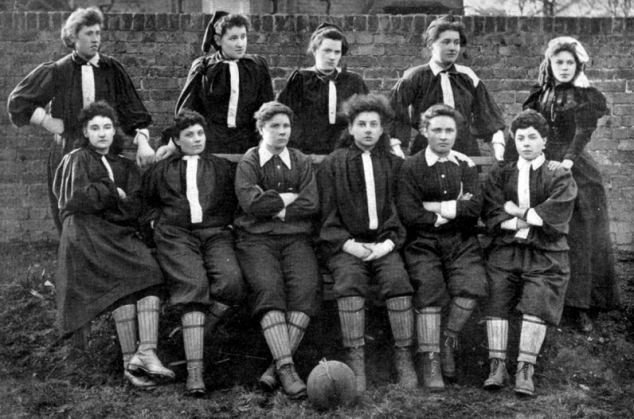
Pioneering Women in Football: The First Eleven

markoinbangkok.com – The world of football, or soccer as it is known in some parts of the globe, has long been dominated by men. However, the contributions of women to the sport are increasingly being recognized and celebrated. “The First Eleven” is a tribute to the pioneering women who broke barriers and paved the way for future generations in the beautiful game. These women, from various eras and backgrounds, have all played a crucial role in shaping the landscape of women’s football.

The Trailblazers

1. Alice Milliat (France)

Alice Milliat was a French athlete and sports leader who, in the early 20th century, fought against the International Olympic Committee’s refusal to include women’s sports in the Olympics. In response, she founded the Fédération Sportive Féminine Internationale (FSFI) in 1921 and organized the Women’s World Games, showcasing women’s football among other sports.

2. Lily Parr (England)

Lily Parr was a British footballer who played in the 1920s and 1930s. Known for her powerful shot, she became a star player for the Dick, Kerr’s Ladies team, which was one of the most successful women’s teams of the time. Parr’s career spanned over 40 years, and she is remembered as one of the greatest female footballers of all time.

3. Connie Harris (USA)

Connie Harris is often credited with scoring the first-ever goal in the Women’s United Soccer Association (WUSA), the first professional women’s soccer league in the United States. Her contribution to the growth of women’s soccer in America is significant, as she was a key player in the league’s inaugural season in 2001.

The Modern Game

4. Michelle Akers (USA)

Michelle Akers is a retired American footballer who was a key player in the United States women’s national soccer team’s success in the 1990s. She was named FIFA World Player of the Year in 2002 and is remembered for her incredible performance in the 1991 FIFA Women’s World Cup, where she led her team to victory.

5. Marta Vieira da Silva (Brazil)

Marta, a Brazilian footballer, is considered one of the greatest female players of all time. She has won the FIFA World Player of the Year award six times and has been a key player for the Brazil women’s national football team. Marta’s skill, speed, and vision on the field have inspired countless young girls to take up the sport.

Breaking Barriers

6. Hope Powell (England)

Hope Powell made history as the first full-time coach of the England women’s national football team. Under her leadership, the team qualified for the 2009 UEFA Women’s Euro and the 2011 FIFA Women’s World Cup. Powell’s coaching career has been instrumental in raising the profile of women’s football in England.

7. Megan Rapinoe (USA)

Megan Rapinoe is an American footballer known for her skill on the field and her activism off it. She has been a vocal advocate for LGBTQ+ rights and gender equality in sports. Rapinoe’s achievements include winning the FIFA Women’s World Cup with the United States women’s national soccer team in 2015 and 2019.

Conclusion

“The First Eleven” represents a diverse group of women who have made significant contributions to the world of football. From the early pioneers who fought for recognition to the modern-day stars who continue to break barriers, these women have paved the way for future generations. Their stories are a testament to the power of perseverance, talent, and the unwavering desire to play the beautiful game. As women’s football continues to grow and gain recognition, it is important to remember and celebrate the achievements of these pioneering women.