
Exploring Tarhana Soup: A Traditional Turkish Delight

markoinbangkok.com – Tarhana soup is a cherished staple in Turkish cuisine, known for its comforting flavors and nutritional benefits. This traditional fermented soup, made primarily with yogurt, tomatoes, and flour, has been a part of Turkish households for generations. In this article, we delve into the origins, preparation, and cultural significance of Tarhana soup, highlighting why it’s a beloved dish in Turkey and beyond.

The Origins and History of Tarhana Soup

Tarhana soup boasts a rich history that dates back to ancient Anatolia, where it was originally developed as a way to preserve summer produce for the winter months. The fermentation process used in making Tarhana not only extends its shelf life but also enhances its nutritional value. The name “Tarhana” is believed to have been derived from the Persian word “tarkhaneh,” which refers to a similar type of fermented food.

Historically, Tarhana was made by rural communities to ensure that they had a reliable food source during the harsh winter months. Over time, the recipe spread across the region, with each area adding its own unique twist to the preparation.

Ingredients and Preparation of Tarhana Soup

Tarhana soup is made from a base mixture of yogurt, flour, and a variety of vegetables, most commonly tomatoes. The ingredients are blended into a dough-like consistency, which is then left to ferment for several days. This fermentation process is key to developing the soup’s distinctive tangy flavor and rich aroma. After fermentation, the mixture is dried and crumbled into small granules, which can be stored for extended periods.

To prepare Tarhana soup, the dried mixture is rehydrated in water or broth and simmered until it reaches a smooth, creamy consistency. It is often seasoned with spices such as paprika and mint, adding depth and warmth to the dish.

Nutritional Benefits of Tarhana Soup

Tarhana soup is not only delicious but also packed with nutritional benefits. The fermentation process enhances the digestibility of the ingredients, making it a probiotic-rich food that supports gut health. It is also a good source of vitamins and minerals, including vitamin C, B vitamins, and calcium, which are essential for maintaining a balanced diet.

The inclusion of yogurt in the recipe provides a boost of protein and beneficial bacteria, further contributing to the soup’s health benefits. These qualities make Tarhana soup an excellent choice for those looking to enjoy a nutritious and wholesome meal.

Cultural Significance of Tarhana Soup

In Turkish culture, Tarhana soup holds a special place as a symbol of warmth and hospitality. It is often served to guests as a gesture of welcome and is a common feature at family gatherings and celebrations. The preparation of Tarhana is also a communal activity, with families coming together to make large batches that are shared among neighbors and friends.

Tarhana soup has also become a popular comfort food, especially during the colder months, providing nourishment and solace with its hearty flavors. Its versatility allows it to be adapted to suit different tastes, with variations including the addition of meat or legumes for extra protein.

Enjoying Tarhana Soup Today

Tarhana soup can be found in many Turkish homes and restaurants, as well as in specialty food stores around the world. It is typically enjoyed with a side of fresh bread or a sprinkle of cheese, enhancing its rich and savory profile.

In conclusion, Tarhana soup is a testament to the ingenuity and resourcefulness of traditional Turkish cuisine. Its unique fermentation process, nutritional benefits, and cultural significance make it a dish worth savoring and exploring. Whether you are a fan of traditional foods or new to Turkish cuisine, Tarhana soup offers a delicious and wholesome experience that is sure to delight your senses.
The Role of Easter Island in Polynesian History

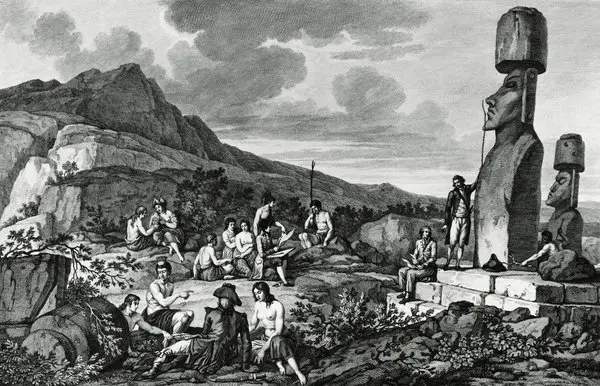
markoinbangkok.com – Easter Island, known as Rapa Nui to its indigenous inhabitants, holds a unique and significant place in Polynesian history. Located in the southeastern Pacific Ocean, this remote island has captivated the world with its mysterious giant stone statues, known as moai, and its complex cultural legacy. This article explores the historical significance of Easter Island within the broader context of Polynesian history, focusing on its settlement, cultural development, and interactions with other Polynesian societies.

Early Settlement and Cultural Development

Easter Island is believed to have been settled by Polynesian voyagers around 1200 CE, although some estimates suggest it could have been as early as 300-400 CE. These early settlers, likely originating from the Marquesas Islands, brought with them a variety of plants and animals, including bananas, taro, sugarcane, paper mulberry, chickens, and Polynesian rats. The island’s initial landscape was lush and covered with a now-extinct palm tree species, which played a crucial role in the early Polynesian economy.

The Polynesian settlers developed a complex society with a clear class system, including an ariki (king) who wielded absolute power. The most visible element of their culture was the production of massive moai, which were part of their ancestral worship practices. These statues, carved from volcanic tuff, are a testament to the advanced craftsmanship and engineering skills of the Rapa Nui people.

Cultural and Technological Achievements

The moai of Easter Island are not only iconic but also represent a significant technological and cultural achievement. The statues, which average 13 feet in height and weigh around 14 tons, were carved from a single piece of stone and then transported to various ceremonial sites around the island. The process of creating and moving these massive statues required a high degree of organization, cooperation, and technical skill, reflecting the sophisticated nature of Rapa Nui society.

The Rapa Nui also developed a unique script known as rongorongo, which remains undeciphered to this day. This script, found on wooden tablets, is believed to have been used for record-keeping and possibly for religious or ceremonial purposes.

Interactions with Other Polynesian Societies

Easter Island’s location made it a unique outpost in the Polynesian world, situated at the easternmost point of the Polynesian Triangle. Despite its isolation, there is evidence of cultural and possibly genetic links between the Rapa Nui and other Polynesian societies, as well as with South American cultures. The presence of sweet potatoes, which are native to South America, suggests that there may have been contact or trade between Easter Island and the South American mainland.

The Norwegian explorer Thor Heyerdahl proposed that Easter Island had connections with South American cultures, based on similarities in cultural artifacts and legends. However, DNA analysis of modern Rapa Nui inhabitants indicates that they are predominantly of Polynesian descent, with little evidence of significant South American genetic influence.

Decline and Colonial Impact

The history of Easter Island is also marked by periods of decline and external influence. The island experienced environmental collapse, likely due to deforestation and overexploitation of resources, which led to a decrease in the population and the cessation of moai construction. The arrival of European explorers in the 18th century, followed by colonial contact and exploitation, further impacted the Rapa Nui people. Slavery, disease, and cultural disruption during the 19th century significantly reduced the population and threatened the survival of Rapa Nui culture.

Modern Significance

Today, Easter Island is a Chilean territory and a UNESCO World Heritage Site, known for its archaeological sites and cultural heritage. The island’s economy is largely based on tourism, which has helped to preserve and promote Rapa Nui culture. Efforts are being made to restore and protect the moai and other archaeological sites, ensuring that the legacy of this unique Polynesian society continues to inspire and educate people around the world.

In conclusion, Easter Island’s role in Polynesian history is multifaceted, encompassing early settlement, cultural and technological achievements, interactions with other societies, and the challenges of environmental and colonial impacts. The island’s story is a testament to the resilience and ingenuity of the Rapa Nui people, and it continues to captivate the imagination of scholars and the public alike.

From Colonization to Nationhood: The History of Australia

markoinbangkok.com – Before the arrival of European settlers, Australia was inhabited by Indigenous peoples for over 65,000 years. These communities developed rich cultures and intricate social systems, adapting to the diverse environments across the continent. Their history is marked by a deep connection to the land, which they cared for through practices that maintained ecological balance.

The Arrival of the British

The history of Australia as a British colony began in 1770 when Lieutenant James Cook charted the eastern coast of Australia for the British Empire, claiming it as New South Wales. The first British settlement was established in 1788 at Port Jackson, where Sydney is now located. This settlement was initially intended as a penal colony to alleviate overcrowding in British prisons.

Colonial Expansion and Indigenous Displacement

As the British presence grew, the colonies expanded across the continent. This expansion was marked by conflict and displacement of Indigenous peoples, as the settlers sought land for agriculture and other economic activities. The frontier wars, a series of conflicts between British colonists and Indigenous Australians, resulted in significant loss of life and the disruption of Indigenous societies.

The Gold Rush and Economic Transformation

The discovery of gold in the 1850s transformed Australia’s economy and society. The gold rushes attracted immigrants from around the world, leading to rapid population growth and urbanization. The wealth generated from gold mining funded the development of infrastructure and public services, laying the foundations for Australia’s future prosperity.

The Road to Federation

By the late 19th century, the separate British colonies in Australia had developed their own governments and economies. A movement for federation emerged, driven by the desire for a unified Australian nation. On January 1, 1901, the Commonwealth of Australia was formed, uniting the colonies into a single nation under a federal constitution.

World Wars and National Identity

Australia’s participation in World War I and World War II played a crucial role in shaping its national identity. The ANZAC (Australian and New Zealand Army Corps) legend, born from the Gallipoli campaign in World War I, became a symbol of national pride and sacrifice. The wars also accelerated the process of nation-building, as Australia took on a more active role in international affairs.

Post-War Immigration and Multiculturalism

After World War II, Australia embarked on an ambitious immigration program to rebuild its economy and boost its population. This period saw the arrival of millions of immigrants from Europe, Asia, and other parts of the world. The influx of diverse cultures laid the groundwork for Australia’s multicultural society, which is one of its defining characteristics today.

Reconciliation and Modern Australia

In recent decades, Australia has begun to address the historical injustices faced by Indigenous Australians. The reconciliation movement seeks to heal the wounds of the past and build a more inclusive society. Today, Australia is a vibrant democracy with a strong economy, a diverse population, and a commitment to reconciliation and social justice.

The history of Australia is a testament to the resilience and adaptability of its people. From its ancient Indigenous heritage to its modern multicultural society, Australia’s journey from colonization to nationhood is a story of transformation, challenge, and renewal.