Sokola Rimba (The Jungle School): Empowerment in Indonesia

markoinbangkok.com – “Sokola Rimba” (The Jungle School) is a 2013 Indonesian film directed by Riri Riza, based on the true story of Butet Manurung, an educator who dedicated her life to teaching indigenous children in the remote jungles of Indonesia. The film is an inspiring portrayal of determination, cultural respect, and the transformative power of education.

Plot Overview

The film follows Butet Manurung, played by Prisia Nasution, as she leaves her comfortable urban life to teach reading, writing, and arithmetic to the children of the Orang Rimba, a nomadic tribe in Sumatra’s dense forests. Butet faces numerous challenges, including skepticism from the tribe, harsh living conditions, and the vast cultural divide. Despite these hurdles, her unwavering commitment gradually wins the trust of the community, making a significant impact on their lives.

Themes and Characters

“Sokola Rimba” explores themes of education, cultural preservation, and empowerment. Butet Manurung’s character embodies the spirit of perseverance and empathy, highlighting the importance of education as a tool for empowerment. The film also sensitively portrays the Orang Rimba community, emphasizing the value of cultural heritage and the need for mutual understanding between different worlds.

Cinematic Style

Riri Riza’s direction captures the lush beauty of the Sumatran jungle, using it as both a setting and character within the film. The cinematography vividly portrays the contrast between the natural environment and the modern world Butet comes from. The film’s narrative structure and visual storytelling emphasize the emotional and physical journey of both the teacher and her students.

Cultural and Social Impact

“Sokola Rimba” has been widely acclaimed for its authentic depiction of the challenges faced by indigenous communities in Indonesia. It brings attention to the importance of culturally sensitive education and the need to bridge gaps between traditional lifestyles and modern necessities. The film’s impact extends beyond entertainment, sparking discussions about educational equity and the preservation of indigenous cultures.

Conclusion

“Sokola Rimba” is a poignant and powerful film that highlights the transformative power of education and the importance of cultural respect and understanding. Through its heartfelt narrative and compelling performances, it inspires audiences to reflect on the role of education in empowering marginalized communities and the significance of preserving cultural diversity.
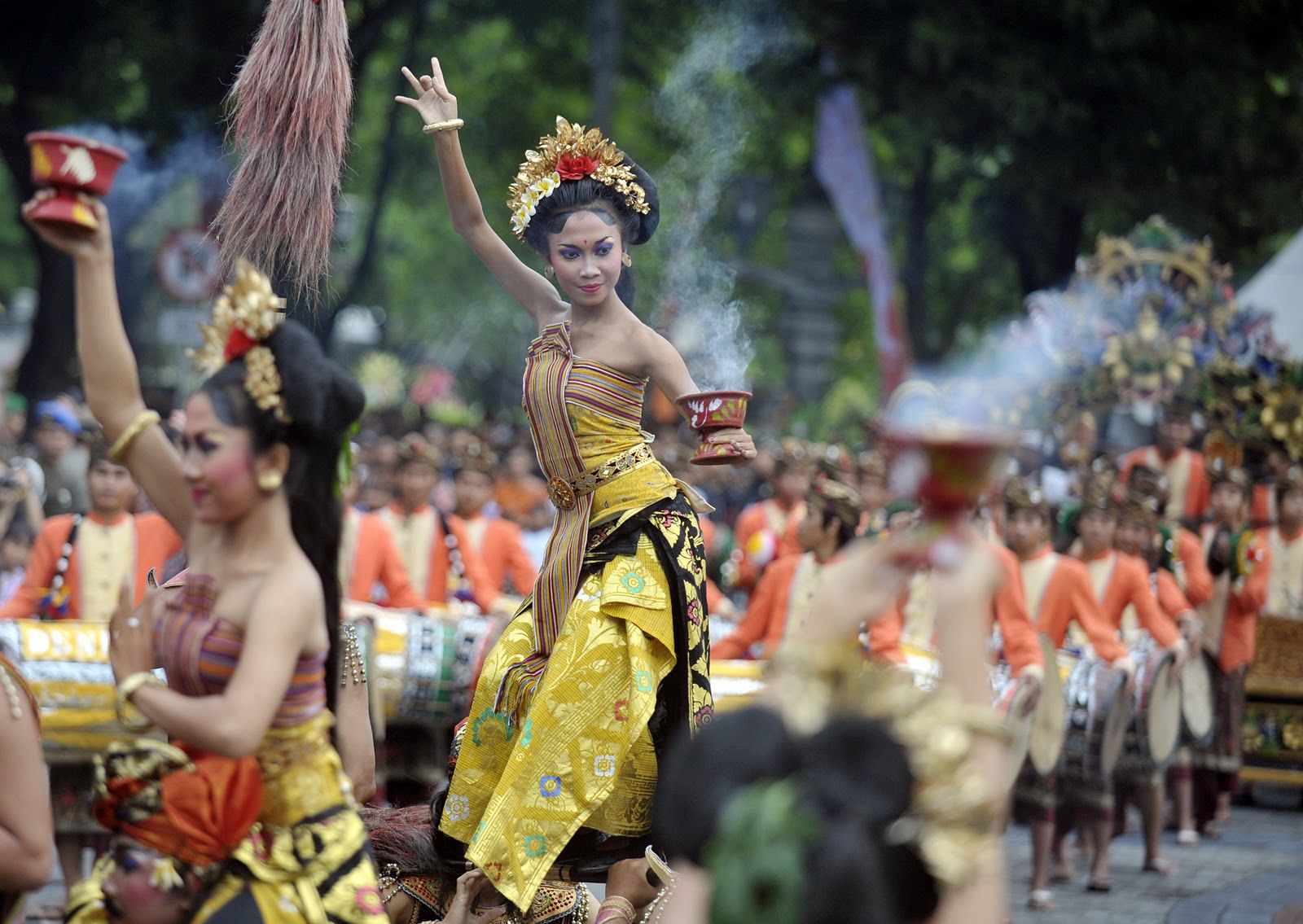
A Multicultural Festivity: Celebrating New Year’s Day in Indonesia

markoinbangkok.com – New Year’s Day in Indonesia, known as Tahun Baru, is a national holiday that marks the beginning of the Gregorian calendar year. It is celebrated with a mix of traditional and modern festivities, reflecting the country’s diverse cultural landscape. The holiday is an opportunity for Indonesians to come together, set new goals, and enjoy the festive atmosphere.

Cultural Diversity in Indonesian New Year Celebrations

Indonesia’s rich tapestry of ethnic groups, each with its own traditions, contributes to the unique way New Year’s Day is celebrated across the archipelago. From the Javanese to the Batak, and the Balinese to the Dayak, each community has its own customs and rituals that are observed during this time.

Traditional and Religious Observances

In addition to secular celebrations, many Indonesians also observe religious practices on New Year’s Day. Muslims may attend special prayers, while Christians participate in church services. Hindus, particularly in Bali, perform traditional rituals to honor the gods and seek blessings for the coming year.

Fireworks and Countdown Events

One of the most popular ways to celebrate New Year’s Day in Indonesia is through fireworks displays and countdown events. Major cities like Jakarta, Surabaya, and Bali host large-scale celebrations with live music, dance performances, and spectacular fireworks at midnight.

Family Gatherings and Feasts

New Year’s Day is an important time for family gatherings in Indonesia. People travel from all over the country to reunite with loved ones. Homes are decorated, and traditional foods such as rendang, nasi tumpeng, and ketupat are prepared. It is a time for sharing meals, exchanging gifts, and reflecting on the past year.

Public Holidays and Festive Decorations

The Indonesian government declares New Year’s Day a public holiday, allowing citizens to enjoy the festivities without work or school commitments. Streets and public spaces are adorned with decorations, and shopping malls host special events to attract visitors.

The Economic Impact of New Year’s Day

The holiday season around New Year’s Day is a boon for Indonesia’s economy. The tourism industry sees a surge in visitors, both domestic and international. Retail sales increase as people shop for new clothes, decorations, and gifts.

Balancing Tradition and Modernity

As Indonesia continues to modernize, the celebration of New Year’s Day has evolved to include more global influences. However, there is a conscious effort to preserve traditional customs alongside embracing new trends. This balance ensures that the essence of Indonesian culture remains intact while welcoming the future.

A Time of Unity and Hope

New Year’s Day in Indonesia is a time of unity, where people from different backgrounds come together to celebrate the start of a new year. It is a moment of hope and optimism, as individuals and communities look forward to the opportunities and challenges that lie ahead. The festivities, steeped in tradition yet open to modern influences, reflect the dynamic and multicultural identity of Indonesia.