markoinbangkok.com – Chinese New Year, also known as the Lunar New Year or Spring Festival, is one of the biggest and most anticipated celebrations in Singapore. This vibrant festival, steeped in tradition, marks the beginning of the lunar calendar and brings people together to celebrate with colorful parades, lion dances, festive decorations, and a spirit of togetherness. Singapore, with its rich multicultural society, puts on a spectacular show during this festive period, making it one of the most significant events on the island.
A Time of Festive Cheer and Togetherness
Chinese New Year is a time for families to come together, share meals, and honor traditions that have been passed down through generations. In Singapore, where a large part of the population is of Chinese descent, the celebration holds deep cultural importance. It typically lasts for 15 days, beginning with the first day of the lunar calendar and culminating in the Lantern Festival.
Families begin preparations weeks in advance, cleaning their homes to sweep away bad luck and decorating with auspicious symbols such as red lanterns, couplets, and paper cuttings to attract good fortune. The holiday is marked by visiting family and friends, exchanging well wishes, and giving “hongbao” (red envelopes filled with money) as a gesture of good luck.
Colorful Parades and Lion Dances
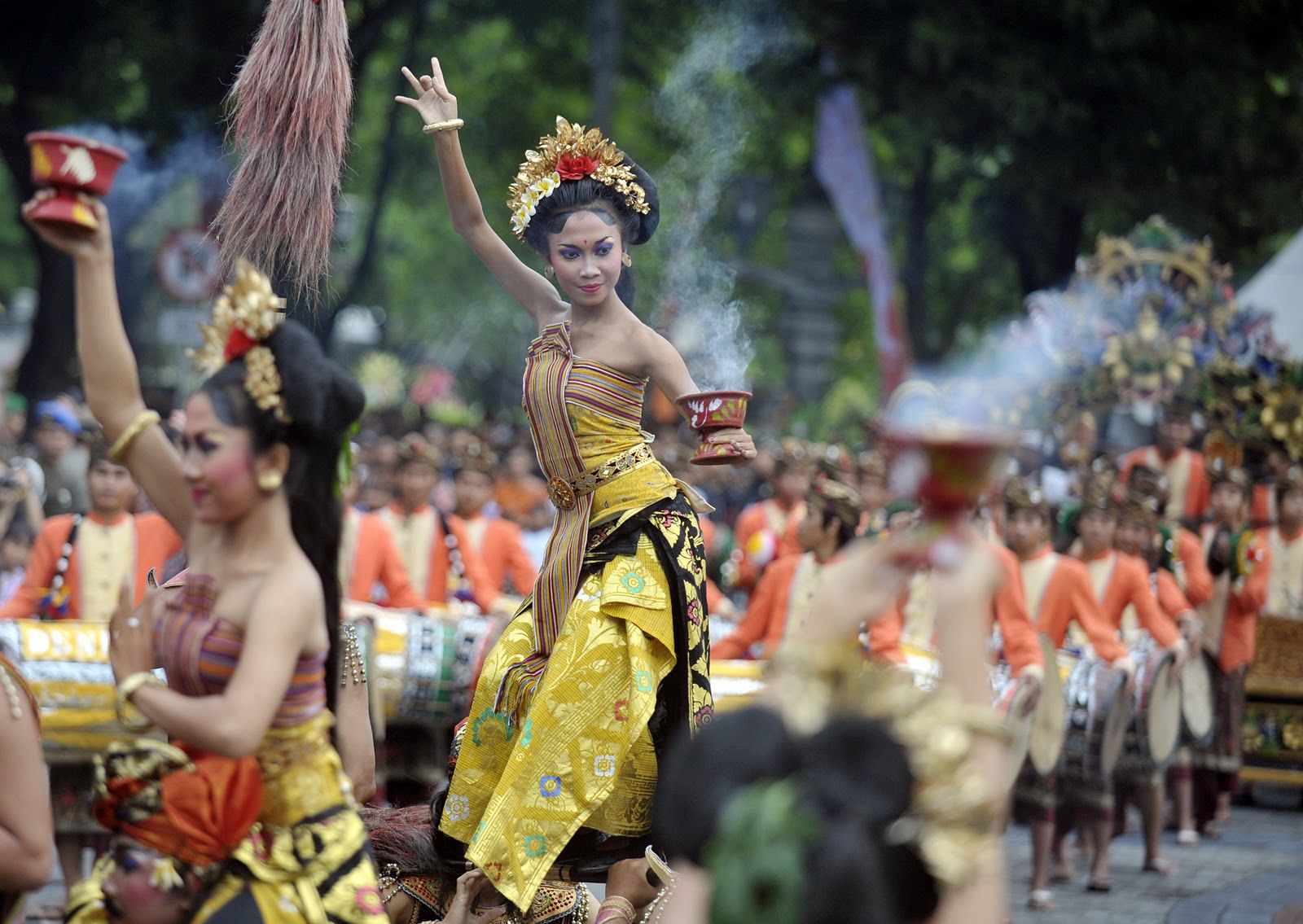
One of the highlights of the Chinese New Year celebrations in Singapore is the Chingay Parade, the grandest street parade in the country. Held annually, the Chingay Parade is a dazzling spectacle of floats, dancers, and performers from different cultural backgrounds. Though it originally began as part of the Chinese New Year festivities, the parade has evolved to include performances from various ethnic communities, reflecting Singapore’s multicultural society.
Lion and dragon dances are also iconic performances during Chinese New Year. These lively, energetic dances are performed to the beat of drums, cymbals, and gongs, believed to drive away evil spirits and bring good luck. Lion dancers can be seen at various locations around Singapore, including temples, businesses, and even homes, bringing joy and festivity to the community.
Festive Decorations and Street Light-Ups
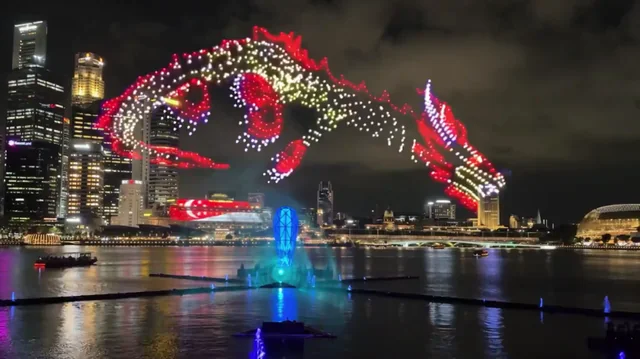
During Chinese New Year, Singapore is transformed into a city of lights and vibrant decorations. The streets, particularly in Chinatown, are adorned with colorful lanterns, banners, and floral displays. One of the most anticipated events is the Chinatown Chinese New Year Light-Up, where the streets are illuminated with stunning lights and decorations that reflect the zodiac animal of the coming year.
Chinatown’s festive bazaar is another popular attraction, offering a wide array of traditional snacks, sweets, and decorations. Shoppers flock to buy festive goodies like pineapple tarts, bak kwa (grilled pork slices), and mandarin oranges, which symbolize good luck and prosperity. The air is filled with excitement as people prepare to welcome the new year with auspicious foods and ornaments.
Food and Feasting
Food plays an important role during Chinese New Year, with special dishes prepared to symbolize prosperity, happiness, and longevity. Families gather for the traditional reunion dinner on the eve of Chinese New Year, a meal that holds great significance as it brings family members together, no matter where they are. Typical dishes include yu sheng (a raw fish salad symbolizing abundance and prosperity), dumplings, spring rolls, and nian gao (a sticky rice cake representing progress).
In Singapore, one of the most popular Chinese New Year dishes is Pen Cai, a traditional casserole filled with luxurious ingredients like abalone, prawns, mushrooms, and scallops. Many restaurants and households prepare this dish to celebrate the festive season.
Conclusion
Chinese New Year in Singapore is a time of joy, togetherness, and cultural pride. The colorful parades, lion dances, and dazzling decorations make it one of the most visually stunning festivals in the country. From the bustling markets of Chinatown to the streets illuminated with lights and lanterns, Singapore’s celebration of Chinese New Year is a grand affair that brings people from all walks of life together to welcome the new year with hope and prosperity.