The Cursed Sword: A Blade of Blood and Betrayal

markoinbangkok.com – The Cursed Sword, a legendary weapon steeped in a history of violence and treachery, has left a trail of bloodshed in its wake. This article explores the dark legacy of this infamous blade, examining the tales of betrayal and the cursed fates of those who have wielded it, from ancient times to the present day.

The Forging of the Cursed Sword

The origins of the Cursed Sword are shrouded in mystery, with some accounts suggesting it was forged by a blacksmith who sold his soul to the devil in exchange for unparalleled skill. The blade is said to have been crafted from a meteorite, imbued with dark magic, and quenched in the blood of innocents, giving it a thirst for blood that could never be sated.

A Legacy of Betrayal

Throughout its existence, the Cursed Sword has been a tool of betrayal, turning allies into enemies and sowing discord wherever it is wielded. Kings have fallen, empires have crumbled, and countless lives have been lost to the blade’s insatiable hunger for carnage.

The Cursed Fates of Its Wielders

Those who have taken up the Cursed Sword have often met with tragic ends. The blade is said to corrupt the very soul of its bearer, driving them to commit acts of unspeakable violence before ultimately leading to their downfall. The sword’s legacy is one of bloodshed and sorrow, with each wielder’s fate a grim reminder of the price of power.

The Sword’s Journey Through History

The Cursed Sword has passed through the hands of many, from legendary warriors to despotic tyrants. Each chapter in its history is marked by conflict and tragedy, with the blade serving as a catalyst for some of the most brutal events in human history.

The Sword’s Current Whereabouts

The current location of the Cursed Sword remains a mystery. Some believe it lies hidden in an ancient tomb, while others suspect it has been destroyed to prevent further bloodshed. Despite its absence, the sword’s legacy continues to haunt those who seek to understand the true extent of its power.

Conclusion

The Cursed Sword stands as a testament to the dangers of unchecked ambition and the corrupting influence of power. Its story is a cautionary tale, warning of the consequences of wielding a weapon that demands blood and brings only betrayal and sorrow. As the blade’s whereabouts remain unknown, the legend of the Cursed Sword continues to inspire both fear and fascination, a chilling reminder of the darkness that lies within the heart of humanity.
The Impact of Globalization on Factory Production

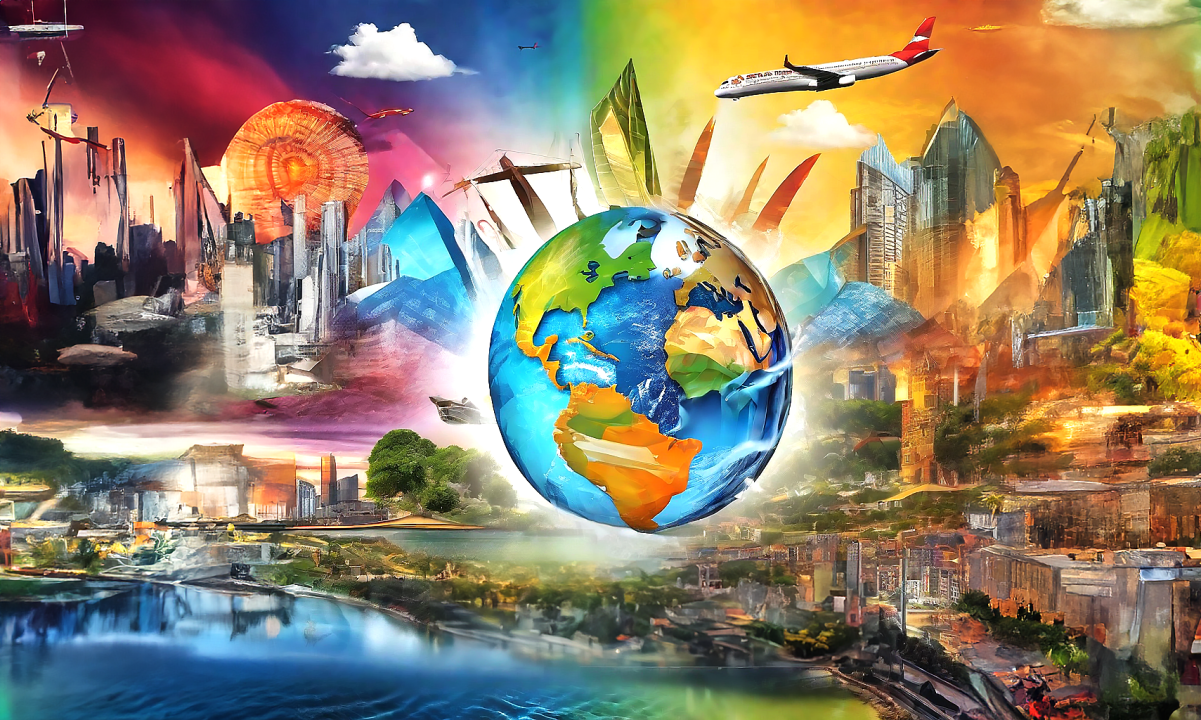
markoinbangkok.com – Globalization, the process by which businesses, technologies, and philosophies spread across the globe, has had a profound impact on factory production. This phenomenon, characterized by the integration of economies and the free movement of goods, services, and capital across borders, has reshaped the manufacturing landscape. The impact of globalization on factory production is multifaceted, offering both opportunities and challenges that have transformed the way goods are produced worldwide.

The Positive Aspects:

  1. Efficiency and Productivity:
    Globalization has led to the adoption of advanced technologies and production techniques. Factories now have access to cutting-edge machinery and automation, which has significantly increased efficiency and productivity. This has allowed for the mass production of goods at a scale previously unimaginable, meeting the growing demands of a global consumer base.
  2. Cost Reduction:
    One of the most significant impacts of globalization on factory production has been the reduction of costs. Companies can now take advantage of lower labor costs in developing countries, leading to significant savings. Additionally, the global sourcing of raw materials and components has enabled factories to access cheaper inputs, further reducing production costs.
  3. Access to New Markets:
    Globalization has opened up new markets for factory-produced goods. Manufacturers can now sell their products worldwide, leading to increased revenue and diversification of customer bases. This has been particularly beneficial for companies in developed countries, as it has allowed them to offset declining domestic demand with sales in emerging markets.
  4. Innovation and Competition:
    The globalization of factory production has fostered innovation. Companies are compelled to innovate to stay competitive in a global market. This has led to the development of new products, production processes, and business models, driving progress in manufacturing industries.

The Challenges:

  1. Job Displacement:
    One of the most contentious aspects of globalization’s impact on factory production is job displacement. As companies move production to countries with lower labor costs, workers in developed countries often lose their jobs. This has led to economic hardship in many industrialized regions.
  2. Quality Control Issues:
    The dispersion of production across the globe can lead to quality control issues. When different components of a product are made in various countries, maintaining consistent quality standards becomes challenging. This can damage a company’s reputation and lead to increased costs due to returns and repairs.
  3. Environmental Concerns:
    Globalization has also raised environmental concerns. The increased production and transportation of goods have led to higher carbon emissions and pollution. Additionally, some countries with lax environmental regulations have become hubs for polluting industries, exacerbating global environmental problems.
  4. Cultural Homogenization:
    The spread of factory production worldwide has contributed to cultural homogenization. Local industries and crafts are often displaced by mass-produced goods, leading to the loss of cultural diversity and traditional skills.

Conclusion:
The impact of globalization on factory production is a double-edged sword. While it has led to increased efficiency, cost reduction, and access to new markets, it has also resulted in job displacement, quality control issues, environmental concerns, and cultural homogenization. As the world continues to become more interconnected, it is crucial for policymakers, businesses, and society to address these challenges while harnessing the opportunities that globalization presents. By doing so, we can ensure that factory production contributes positively to economies and societies worldwide, without compromising the well-being of workers, consumers, and the planet.