The Blockchain Boom: Decentralized finance impact

markoinbangkok.com – In recent years, the world has witnessed the rapid rise of blockchain technology, a decentralized digital ledger that underpins cryptocurrencies like Bitcoin and Ethereum. This technology has not only revolutionized the financial sector but has also given birth to a new economic paradigm known as Decentralized Finance (DeFi). DeFi is an ecosystem of financial applications built on blockchain networks that offer traditional financial services without the need for centralized intermediaries like banks or brokers. This article explores the blockchain boom, the concept of DeFi, and its profound economic implications.

Understanding Decentralized Finance (DeFi)

DeFi platforms leverage smart contracts, self-executing contracts with the terms of the agreement directly written into code. These smart contracts enable a wide range of financial services, including lending, borrowing, trading, and insurance, to be executed in a trustless and transparent manner. The absence of intermediaries not only reduces costs but also increases accessibility and efficiency.

Key Features of DeFi

  • Accessibility: DeFi services are accessible to anyone with an internet connection, promoting financial inclusion.
  • Transparency: All transactions are recorded on a public ledger, ensuring transparency and reducing the risk of fraud.
  • Interoperability: DeFi platforms can work together seamlessly, allowing for a composable financial system where innovations can be quickly adopted.

The Economic Implications of DeFi

Democratization of Finance

One of the most significant economic implications of DeFi is the democratization of finance. Traditional financial systems often exclude a large portion of the global population due to barriers such as high fees, lack of infrastructure, and regulatory hurdles. DeFi breaks down these barriers, providing equal access to financial services regardless of one’s location or economic status.

Disruption of Traditional Banking

DeFi poses a direct challenge to traditional banking models. By eliminating intermediaries, DeFi platforms can offer higher yields on savings, lower interest rates on loans, and reduced transaction fees. This disruption forces traditional financial institutions to innovate or risk becoming obsolete.

Enhanced Financial Stability

The decentralized nature of DeFi reduces systemic risk by distributing financial activities across a network of participants rather than concentrating them in a few centralized entities. This decentralization can lead to a more resilient financial system less prone to the failures that have historically plagued centralized institutions.

Regulatory Challenges

While DeFi offers numerous benefits, it also presents regulatory challenges. The anonymity and cross-border nature of blockchain transactions make it difficult for regulators to enforce compliance with existing financial laws. This has led to calls for new regulatory frameworks that can effectively manage the risks associated with DeFi while preserving its innovative potential.

Conclusion

The blockchain boom and the rise of DeFi represent a significant shift in the global financial landscape. By leveraging blockchain technology, DeFi has the potential to democratize finance, disrupt traditional banking, enhance financial stability, and create a more inclusive financial system. However, realizing these benefits will require careful navigation of the regulatory challenges that lie ahead. As the DeFi ecosystem continues to evolve, it will be crucial for policymakers, financial institutions, and technology developers to work together to shape a future where the benefits of decentralized finance are fully realized.
The Impact of Globalization on Factory Production

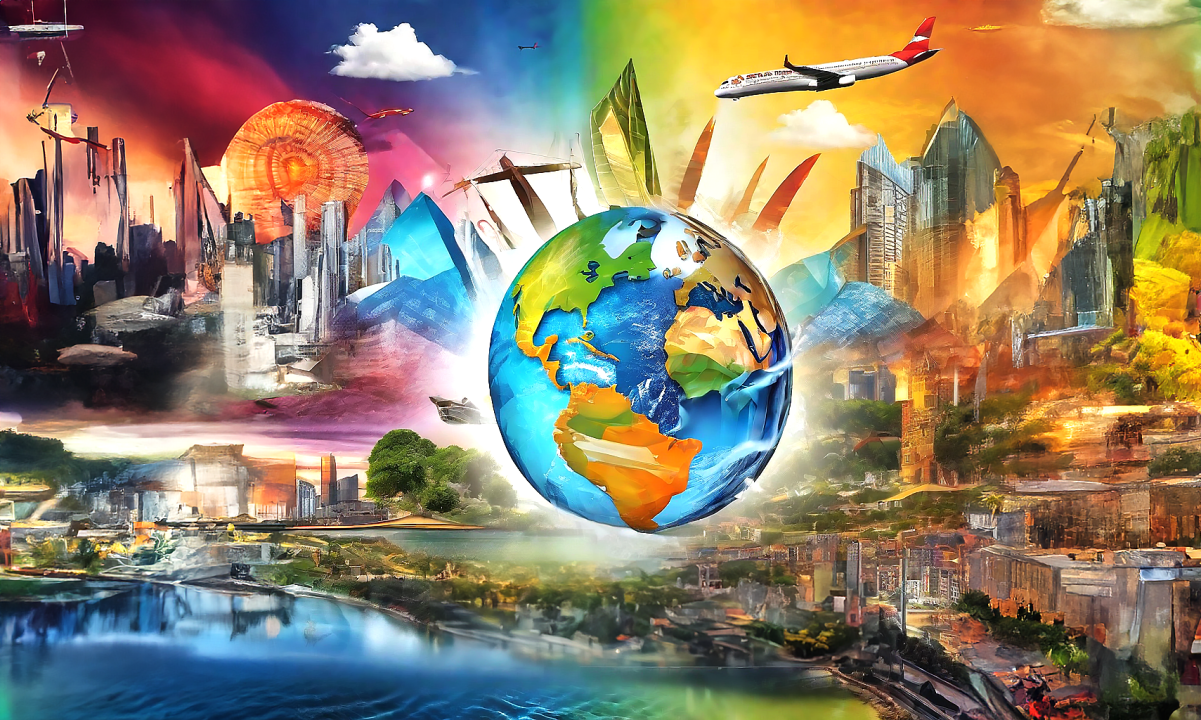
markoinbangkok.com – Globalization, the process by which businesses, technologies, and philosophies spread across the globe, has had a profound impact on factory production. This phenomenon, characterized by the integration of economies and the free movement of goods, services, and capital across borders, has reshaped the manufacturing landscape. The impact of globalization on factory production is multifaceted, offering both opportunities and challenges that have transformed the way goods are produced worldwide.

The Positive Aspects:

  1. Efficiency and Productivity:
    Globalization has led to the adoption of advanced technologies and production techniques. Factories now have access to cutting-edge machinery and automation, which has significantly increased efficiency and productivity. This has allowed for the mass production of goods at a scale previously unimaginable, meeting the growing demands of a global consumer base.
  2. Cost Reduction:
    One of the most significant impacts of globalization on factory production has been the reduction of costs. Companies can now take advantage of lower labor costs in developing countries, leading to significant savings. Additionally, the global sourcing of raw materials and components has enabled factories to access cheaper inputs, further reducing production costs.
  3. Access to New Markets:
    Globalization has opened up new markets for factory-produced goods. Manufacturers can now sell their products worldwide, leading to increased revenue and diversification of customer bases. This has been particularly beneficial for companies in developed countries, as it has allowed them to offset declining domestic demand with sales in emerging markets.
  4. Innovation and Competition:
    The globalization of factory production has fostered innovation. Companies are compelled to innovate to stay competitive in a global market. This has led to the development of new products, production processes, and business models, driving progress in manufacturing industries.

The Challenges:

  1. Job Displacement:
    One of the most contentious aspects of globalization’s impact on factory production is job displacement. As companies move production to countries with lower labor costs, workers in developed countries often lose their jobs. This has led to economic hardship in many industrialized regions.
  2. Quality Control Issues:
    The dispersion of production across the globe can lead to quality control issues. When different components of a product are made in various countries, maintaining consistent quality standards becomes challenging. This can damage a company’s reputation and lead to increased costs due to returns and repairs.
  3. Environmental Concerns:
    Globalization has also raised environmental concerns. The increased production and transportation of goods have led to higher carbon emissions and pollution. Additionally, some countries with lax environmental regulations have become hubs for polluting industries, exacerbating global environmental problems.
  4. Cultural Homogenization:
    The spread of factory production worldwide has contributed to cultural homogenization. Local industries and crafts are often displaced by mass-produced goods, leading to the loss of cultural diversity and traditional skills.

Conclusion:
The impact of globalization on factory production is a double-edged sword. While it has led to increased efficiency, cost reduction, and access to new markets, it has also resulted in job displacement, quality control issues, environmental concerns, and cultural homogenization. As the world continues to become more interconnected, it is crucial for policymakers, businesses, and society to address these challenges while harnessing the opportunities that globalization presents. By doing so, we can ensure that factory production contributes positively to economies and societies worldwide, without compromising the well-being of workers, consumers, and the planet.