Prince Hisahito of Japan: Future of the Chrysanthemum Throne

markoinbangkok.com – Prince Hisahito, born on September 6, 2006, is the only male heir in the next generation of the Japanese Imperial Family. As the son of Crown Prince Fumihito (Prince Akishino) and Crown Princess Kiko, and the younger brother of Princess Mako, Princess Kako, and Princess Sayako, Prince Hisahito represents the future of the Chrysanthemum Throne, and as the third in line to the Japanese throne, his role in the Imperial Family has become increasingly important in the context of Japan’s evolving monarchy.

Early Life and Education

Prince Hisahito was born at the University of Tokyo Hospital, the second son of Crown Prince Fumihito and Crown Princess Kiko. His birth was significant because, as a male descendant, he became the first male heir born into the Imperial Family in over four decades, following the birth of his father, Crown Prince Fumihito, in 1965. Hisahito’s birth was celebrated by the nation, as it alleviated concerns over the dwindling number of male heirs to the Chrysanthemum Throne, a critical issue in Japan’s Imperial Household due to the country’s succession laws, which do not allow women to ascend to the throne.

Growing up, Prince Hisahito has been raised within the traditions of the Imperial Family while also being exposed to more modern educational approaches. He attended the prestigious Gakushuin School, a private institution historically attended by members of the Imperial Family, and has since been enrolled in Gakushuin University’s junior high school division. Like his siblings, Prince Hisahito’s education is carefully structured to prepare him for his eventual duties as a member of the royal family, focusing on subjects like history, culture, and the responsibilities of the Imperial Family.

Though his upbringing has been sheltered from the public eye to some extent, Prince Hisahito’s education and development have been closely followed by the Japanese people, as his future as the heir to the throne remains a point of great national significance.

The Only Male Heir: His Role in the Imperial Family

As the only male heir in the next generation of the Imperial Family, Prince Hisahito occupies a crucial position within Japan’s monarchy. The country’s Imperial Household Law limits the succession to the throne to male heirs only, which has led to ongoing debates about the role of women in the royal family. Prince Hisahito’s birth, as the only male descendant of Crown Prince Fumihito, was seen as a hopeful moment for the future of the monarchy, providing stability for the royal succession.

At present, Prince Hisahito is third in line to the throne, after his father Crown Prince Fumihito and his uncle, Emperor Naruhito. As the next generation of potential heirs, Prince Hisahito’s position within the Imperial Family is of tremendous importance, especially considering the dwindling number of male heirs in recent decades.

Given the current situation, in which the only other male heirs are his father and his uncle, discussions surrounding the succession law are ongoing. While Japan’s laws do not allow women to ascend to the throne, the country has faced calls for reform, with many advocating for the inclusion of female heirs to ensure the continuity of the Imperial line. Nevertheless, Prince Hisahito’s position as the third in line means that his future will play a pivotal role in the conversation about the modernization of Japan’s monarchy and the succession laws.

A Focus on Tradition and Modernity

As a young royal, Prince Hisahito’s role is still developing, but it is clear that he is being groomed to represent both the traditions and modern expectations of the Imperial Family. He has accompanied his father, Crown Prince Fumihito, and other family members to official events, such as ceremonies, cultural celebrations, and public appearances, although his public engagements are carefully managed to allow him the space to grow.

Prince Hisahito’s upbringing has been designed to prepare him for a role as the future emperor. He has been trained in the customs and rituals of the Imperial Family, and he has also been given opportunities to engage with the modern world. His education emphasizes history, culture, and the significance of the Imperial Family’s role in Japanese society, while also focusing on personal development in a modern context. As he matures, it is expected that Prince Hisahito will take on more ceremonial duties, representing Japan at key cultural and diplomatic events, and becoming a more visible figure in the country’s public life.

However, as the only male heir in his generation, much of the focus will be on his ability to continue the legacy of the Imperial Family while adapting to contemporary needs. He may one day take on responsibilities that balance tradition and modernity, especially as Japan’s monarchy faces challenges related to gender and succession.

Personal Life and Hopes for the Future

Though much of Prince Hisahito’s personal life remains private, it is known that he enjoys activities typical for young people, such as sports and hobbies. As with other members of the Imperial Family, his upbringing has been designed to offer a normal childhood, despite the unique nature of his position. He has occasionally been seen participating in family outings, such as trips to cultural landmarks or attending public festivals. These moments, though rare, give the public glimpses into his development as a young royal.

As the third in line to the throne, Prince Hisahito’s future will likely be shaped by expectations and pressures that come with his position. The future of the Chrysanthemum Throne, and Japan’s monarchy as a whole, may depend on how Prince Hisahito navigates the challenges of royal life and responds to the evolving role of the Imperial Family in contemporary society. Much will be expected of him in terms of both his royal duties and his ability to represent Japan with grace, dignity, and respect for the traditions of his family.

Given the growing debate about succession reform in Japan, much attention will be placed on whether Prince Hisahito will one day assume the role of emperor. Should he ascend to the throne, he will play a central role in shaping the future of Japan’s monarchy and may be a symbol of change and continuity.

Conclusion

Prince Hisahito of Japan, the only male heir in the next generation of the Imperial Family, stands as a pivotal figure in the future of the Chrysanthemum Throne. As the third in line to the throne, his future role will be essential in addressing the challenges facing Japan’s monarchy, particularly regarding succession laws and the evolving role of women in the Imperial Family. While he is still in the early stages of his life and royal responsibilities, Prince Hisahito’s position makes him a key figure in the ongoing dialogue about modernization within Japan’s Imperial Household.

As Prince Hisahito grows into his responsibilities, the Japanese public and the world will undoubtedly watch with great interest as he navigates the balance between upholding royal traditions and adapting to a changing society. His future, both as a member of the royal family and potentially as emperor, will play an important part in shaping the legacy of Japan’s monarchy for generations to come.
Prince Talal bin Abdulaziz: Advocate for Reforms

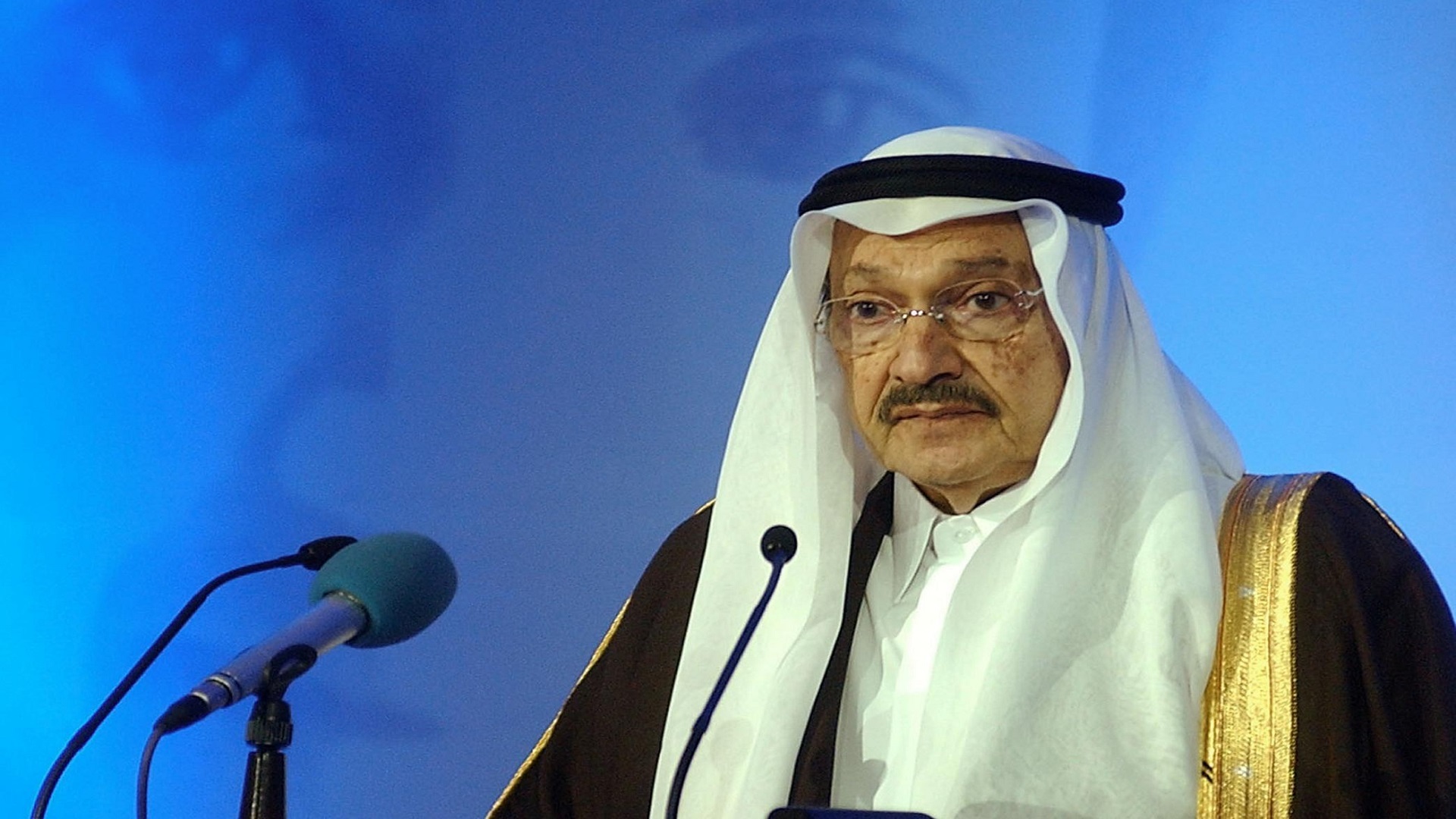
markoinbangkok.com – Prince Talal bin Abdulaziz Al Saud (1931–2018) was a notable member of Saudi Arabia’s royal family, recognized for his advocacy for social and economic reforms within the Kingdom. Unlike many of his royal counterparts, Prince Talal was an outspoken advocate for political and social change, with a vision for a modernized Saudi Arabia. His dedication to improving the lives of the Saudi people and promoting human rights earned him both admiration and controversy. A progressive thinker in an era of conservatism, Prince Talal’s impact on Saudi politics and society remains significant, even long after his passing.

Early Life and Education

Born in 1931, Prince Talal was the son of King Abdulaziz, the founder of modern Saudi Arabia, and a member of the powerful Al Saud family. Raised in the royal court, Prince Talal had access to the highest levels of education and influence, yet he developed an early inclination toward progressive ideals. He studied in Saudi Arabia and later pursued higher education in the United States and Europe, where he was exposed to Western ideas of governance, economics, and human rights. His exposure to Western democratic principles significantly shaped his political outlook, leading him to question traditional practices within his own country.

Early Political Career and Advocacy

Prince Talal’s early political career was marked by his participation in public affairs and his efforts to modernize Saudi Arabia. He held various administrative roles within the government, including serving as the governor of the Asir region, and he was active in helping to drive development projects across the Kingdom. However, his aspirations extended beyond merely improving Saudi Arabia’s infrastructure; he envisioned a more democratic and just society, which would require significant political and social reforms.

In the 1960s, Prince Talal began to champion causes that put him at odds with the traditional elements of the royal family. He called for broader political participation, more freedom for women, and greater emphasis on education and social welfare. His advocacy for reforms led to tensions within the royal family, and in 1961, after being briefly dismissed from his role as the head of the Ministry of Communications, Prince Talal went into voluntary exile in Europe. During his time abroad, he continued to speak out for reform, both within Saudi Arabia and in the broader Arab world.

Prince Talal’s Vision for Political and Social Reform

Prince Talal’s calls for reform were grounded in his belief that Saudi Arabia needed to evolve in order to meet the challenges of the modern world. He was a vocal advocate for the establishment of a constitution, as he believed that a constitutional monarchy would bring about greater transparency and accountability in governance. He also pushed for the establishment of an elected parliament, arguing that it would allow for more direct representation of the people’s interests.

In addition to political reforms, Prince Talal was a strong proponent of women’s rights. He was among the first in the royal family to publicly support women’s participation in politics, education, and the workforce. Prince Talal advocated for women’s right to vote and stand for office, which, although still not fully realized in his lifetime, paved the way for the eventual granting of these rights to women in the Kingdom.

Moreover, Prince Talal was a supporter of economic reforms aimed at reducing inequality and improving social welfare. He believed that a more equitable distribution of wealth and resources was essential to the long-term stability of Saudi Arabia. He supported initiatives to improve healthcare, education, and housing, emphasizing the importance of a strong middle class in the Kingdom’s development.

Prince Talal’s Role in the Arab World and Global Advocacy

While Prince Talal’s focus was primarily on Saudi Arabia, his vision of reform extended to the broader Arab world. He was an advocate for Arab unity and cooperation, believing that the Arab world needed to modernize and adopt democratic principles to overcome the political and economic challenges it faced. His outspoken support for human rights and political reform resonated beyond the Kingdom, and he became an influential voice in the region’s reformist movements.

In addition to his work within Saudi Arabia and the Arab world, Prince Talal was also involved in international affairs. He founded the Arab Gulf Program for Development (AGFUND) in 1980, an organization dedicated to promoting social and economic development in the Arab world, Africa, and other developing regions. AGFUND focused on projects related to poverty alleviation, education, and healthcare, and it became one of Prince Talal’s most significant philanthropic legacies.

Prince Talal also maintained strong relationships with international leaders and organizations. He worked closely with the United Nations and other global bodies to advocate for human rights, education, and social justice. His efforts to improve the welfare of disadvantaged communities and promote global peace earned him recognition and respect on the international stage.

Exile and Return to Saudi Arabia

Prince Talal’s outspoken nature and calls for reform led to his prolonged exile from Saudi Arabia in the 1960s. He lived in Europe for many years, where he continued his advocacy work and developed a reputation as a progressive reformer. Despite his absence from the Kingdom, Prince Talal remained deeply connected to his country, often communicating with other members of the royal family and advising on important issues.

In 1990, after nearly three decades in exile, Prince Talal was allowed to return to Saudi Arabia. His return marked a new phase in his life, as he continued to push for reforms from within the Kingdom. Although he was no longer in active government service, his influence remained strong, particularly among those advocating for modernization and progress.

Prince Talal’s Legacy and Philanthropic Contributions

Prince Talal bin Abdulaziz’s legacy is defined by his relentless pursuit of reform and his commitment to improving the lives of the people of Saudi Arabia and the wider Arab world. His advocacy for political participation, women’s rights, and social welfare set him apart from many of his contemporaries in the royal family. While his vision of democratic reform was not fully realized during his lifetime, Prince Talal’s efforts have left a lasting impact on Saudi Arabia’s social and political landscape.

In addition to his political advocacy, Prince Talal’s philanthropic work has had a profound impact on the Kingdom and the broader Arab world. Through AGFUND, he helped finance a wide range of development projects aimed at improving education, healthcare, and social services in impoverished communities. His charitable contributions and vision for a more just and equitable world continue to inspire those working toward social change.

Conclusion

Prince Talal bin Abdulaziz was a visionary leader who sought to modernize Saudi Arabia and the Arab world. His unwavering commitment to political, social, and economic reforms, coupled with his advocacy for human rights and gender equality, set him apart as a progressive figure in a traditionally conservative region. Though many of his ideas were considered controversial during his lifetime, Prince Talal’s influence on Saudi Arabia’s evolution and his philanthropic work ensure that his legacy continues to resonate today. His life’s work has paved the way for greater dialogue on reform, social justice, and global development, and he remains an important figure in the history of the Kingdom and the Arab world.

Sayyid Theyazin bin Haitham Al Said: Crown Prince of Oman

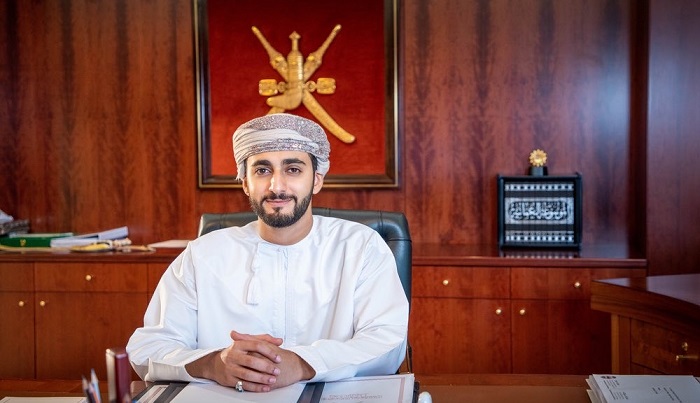
markoinbangkok.com – Sayyid Theyazin bin Haitham Al Said, the Crown Prince of Oman, represents a new generation of leadership in the Sultanate of Oman. Born into the Al Said royal family, Sayyid Theyazin’s ascent to the position of Crown Prince has been met with optimism and hope for Oman’s future, as he has become a prominent figure in shaping the country’s path forward in terms of both economic and social development. Known for his commitment to modernizing the nation while respecting its rich cultural heritage, Sayyid Theyazin’s leadership continues to inspire confidence, particularly among the youth of Oman.

Early Life and Education

Sayyid Theyazin was born in 1990 as the son of His Highness Sayyid Haitham bin Tariq Al Said, the Sultan of Oman, and his wife, Her Highness Sayyida Ahd bint Abdullah Al Busaidi. As a member of the royal family, Sayyid Theyazin grew up with a sense of duty to his country and was educated in both Oman and abroad, receiving a well-rounded education that blended local values with a global perspective.

He attended prestigious institutions in the UK, including the University of Oxford, where he earned a degree in International Relations. This academic background, combined with his deep understanding of Oman’s political landscape, equipped Sayyid Theyazin with the skills needed to take on leadership responsibilities in a rapidly changing world. His exposure to global institutions and his strong commitment to Oman’s future have played a key role in shaping his approach to governance.

Appointment as Crown Prince

Sayyid Theyazin was appointed as Crown Prince of Oman by his father, Sultan Haitham bin Tariq Al Said, in January 2020, following the passing of Sultan Qaboos bin Said. The appointment came as part of a smooth and planned transition, with the aim of maintaining stability and continuity within the Omani monarchy. Sayyid Theyazin’s selection as Crown Prince was seen as a step toward the revitalization of Oman’s political and economic frameworks, with his leadership poised to guide the country into a new era.

The choice of Sayyid Theyazin to succeed his father was widely celebrated, as he was viewed as a forward-thinking, capable leader who could bring both innovation and modernity to the Sultanate while preserving the deep-rooted traditions of Oman. His appointment also signified the importance of youth and fresh perspectives in Oman’s leadership, which is crucial in addressing the challenges facing the country in the 21st century.

Focus on Youth and Innovation

One of the key areas of focus for Sayyid Theyazin is the empowerment of Oman’s youth and the promotion of innovation and technology. Recognizing that the younger generation will be instrumental in shaping the future of Oman, Sayyid Theyazin has placed significant emphasis on developing programs that support youth engagement in national development.

Under his leadership, Oman has seen increased investments in sectors such as technology, entrepreneurship, and digital transformation. Sayyid Theyazin has championed efforts to build a more diverse economy, one that is less reliant on oil revenues and more focused on industries like renewable energy, technology, and education. These sectors not only provide opportunities for young Omanis but also pave the way for a more sustainable and resilient future for the nation.

Sayyid Theyazin’s approach to governance has been one of openness and inclusivity, and he has been particularly focused on fostering a sense of innovation in Omani youth. He has pushed for reforms in the education system to equip young Omanis with the skills and knowledge required to succeed in a globalized world. This includes greater emphasis on STEM (science, technology, engineering, and mathematics) education, as well as the development of soft skills such as critical thinking, leadership, and entrepreneurship.

Leadership in the Context of Oman’s Vision 2040

Oman’s Vision 2040, a comprehensive plan for the country’s long-term development, is a cornerstone of Sayyid Theyazin’s leadership. The Vision outlines the government’s goals to diversify the economy, enhance the quality of life for Oman’s citizens, and build a knowledge-based society that is competitive on the international stage. As Crown Prince, Sayyid Theyazin is deeply committed to ensuring the successful implementation of this vision, with a focus on sustainability, innovation, and the empowerment of future generations.

Oman’s Vision 2040 includes objectives such as increasing investment in key sectors, reducing dependency on oil, and enhancing Oman’s global standing through diplomacy, trade, and cultural exchanges. Sayyid Theyazin plays a pivotal role in ensuring that these goals are achieved, and his leadership is seen as central to Oman’s continued growth and development.

Advocacy for Cultural Heritage and Environmental Sustainability

While Sayyid Theyazin is known for his modern approach to governance, he is equally committed to preserving Oman’s rich cultural heritage and natural environment. Oman’s unique traditions, including its art, music, architecture, and way of life, are important aspects of its identity, and Sayyid Theyazin is passionate about ensuring that these traditions are protected and promoted for future generations.

In addition to his focus on cultural preservation, Sayyid Theyazin is an advocate for environmental sustainability. Oman is home to some of the most diverse and pristine natural landscapes in the region, including mountains, deserts, and coastlines. As Crown Prince, he has emphasized the importance of balancing economic development with environmental conservation, ensuring that Oman’s natural resources are protected for the benefit of future generations.

His leadership in environmental matters includes initiatives aimed at reducing Oman’s carbon footprint, promoting renewable energy sources, and addressing the challenges posed by climate change. He has worked alongside national and international organizations to advance policies that prioritize the protection of Oman’s natural environment while supporting the country’s economic ambitions.

International Relations and Diplomacy

As Crown Prince, Sayyid Theyazin has also been involved in strengthening Oman’s diplomatic relations with countries across the globe. Oman’s foreign policy is known for its neutrality and commitment to peace, and Sayyid Theyazin has continued this tradition, seeking to foster strong relationships with regional and global powers.

His diplomatic efforts focus on enhancing Oman’s standing as a key player in the Middle East, promoting regional cooperation, and facilitating dialogue between conflicting parties. Sayyid Theyazin is a proponent of peace and stability, and he has worked to ensure that Oman plays a constructive role in addressing regional and international issues.

A Vision for the Future

Sayyid Theyazin bin Haitham Al Said’s leadership as Crown Prince of Oman marks the beginning of a new era for the Sultanate. His focus on youth empowerment, innovation, and sustainability, coupled with his commitment to preserving Oman’s heritage and promoting peace, positions him as a leader who is capable of guiding Oman into a prosperous and modern future.

As Crown Prince, Sayyid Theyazin continues to inspire confidence in Oman’s citizens, particularly the youth, who view him as a beacon of hope for a more dynamic and inclusive society. His leadership is central to the success of Oman’s Vision 2040, and his dedication to the country’s future promises a bright and prosperous road ahead.

Conclusion

Sayyid Theyazin bin Haitham Al Said is a Crown Prince whose vision for Oman is rooted in modernization, innovation, and the empowerment of youth. His leadership is helping shape a future where Oman’s economy is diversified, its people are educated and engaged, and its rich cultural heritage is preserved. As a forward-thinking leader, Sayyid Theyazin is not only navigating Oman’s current challenges but also laying the groundwork for a thriving and sustainable nation for future generations.