Suriname: A Melting Pot of Traditions

markoinbangkok.com – Suriname, a small country on the northeastern coast of South America, is a vibrant tapestry of cultures, each contributing to the nation’s rich mosaic of traditions. This unique blend is a result of its history as a Dutch colony, which saw the arrival of people from Africa, India, Indonesia, China, and Europe, among others. Today, Suriname stands as a testament to the power of cultural integration, where diverse traditions coexist and flourish.

The Historical Backdrop

The story of Suriname’s cultural diversity begins in the 17th century when the Dutch established a colony. To work the plantations, they brought enslaved Africans. After slavery was abolished in 1863, indentured laborers from India, Indonesia (then the Dutch East Indies), and China were brought in. This influx of people from different corners of the world laid the foundation for Suriname’s multicultural society.

African Heritage

The African influence is palpable in Suriname’s music, dance, and religion. Maroon communities, descendants of escaped enslaved Africans who live in the interior of the country, have preserved their traditions, including the use of drums in ceremonies and the practice of traditional medicine.

Indian Contributions

The Indian community has significantly shaped Suriname’s cultural landscape. Hindu and Muslim festivals such as Diwali and Eid are celebrated with enthusiasm. The cuisine, too, has been heavily influenced by Indian spices and cooking techniques, with dishes like roti and dal puri being staples in Suriname.

Indonesian Influence

The Indonesian influence is evident in the culinary traditions of Suriname. Dishes like nasi goreng (fried rice) and satay are popular, reflecting the legacy of the Javanese and other Indonesian immigrants. The Surinamese kitchen is a harmonious blend of these flavors, creating a unique culinary identity.

Chinese Presence

The Chinese community has also left its mark, particularly in the business sector and cuisine. Chinese New Year is celebrated with dragon dances and firecrackers, adding to the cultural tapestry of Suriname.

European Contributions

The Dutch colonial past is reflected in the architecture of Paramaribo, the capital city, with its wooden houses and the imposing Saint Peter and Paul Basilica. The Dutch language, too, remains the official language of Suriname, a legacy of its colonial history.

A Unique Cultural Identity

Despite the diversity, Suriname has managed to forge a unique national identity. The annual celebration of Javanese Culture Day, Indian Arrival Day, and Maroon festivals are national holidays, showcasing the country’s respect for its multicultural heritage. These events are celebrated by all, regardless of ethnic background, highlighting the inclusive nature of Surinamese society.

Conclusion

Suriname’s cultural diversity is its greatest strength. It is a living example of how different traditions can coexist and enrich each other. As the world becomes more interconnected, Suriname offers a model of cultural integration and harmony. Its people, proud of their heritage, continue to celebrate their traditions, ensuring that the melting pot of Suriname remains vibrant and alive for generations to come.


The Gambia’s Environmental Conservation: Natural Resources

markoinbangkok.com – The Gambia, a small West African nation, is home to a diverse range of ecosystems, from the mangrove-lined banks of the Gambia River to the Sahelian woodlands in the north. Despite its size, The Gambia plays a crucial role in regional biodiversity and is a critical habitat for migratory birds and endangered species. In recent years, The Gambia has taken significant strides in environmental conservation, recognizing the importance of protecting its natural resources for sustainable development and the well-being of its population.

The Importance of Environmental Conservation in The Gambia

The Gambia’s natural resources are vital for its economy, tourism, and the livelihoods of its people. The country’s rich biodiversity supports a variety of wildlife, including the iconic West African manatee and the green turtle, both of which are endangered species. Protecting these resources is not only a matter of conservation but also of national pride and economic necessity.

Government Initiatives and Policies

The Gambian government has implemented several policies and initiatives to safeguard the environment. One of the key strategies is the National Environmental Action Plan (NEAP), which outlines measures to address issues such as deforestation, soil erosion, and pollution. Additionally, The Gambia has ratified international agreements, including the Convention on Biological Diversity and the Ramsar Convention on Wetlands, demonstrating its commitment to global conservation efforts.

Community-Based Conservation Efforts

Community involvement is a cornerstone of The Gambia’s conservation strategy. Local communities are encouraged to participate in conservation projects, such as reforestation and wildlife monitoring. These initiatives not only empower local residents but also ensure that conservation efforts are sustainable and have a lasting impact.

Protected Areas and Wildlife Sanctuaries

The establishment of protected areas and wildlife sanctuaries is a critical aspect of The Gambia’s conservation efforts. The Abuko Nature Reserve, one of the oldest sanctuaries in the country, is a prime example of successful conservation. It serves as a haven for birds and other wildlife, as well as an educational center for visitors.

Challenges and Opportunities

Despite the progress made, The Gambia faces several challenges in its conservation efforts. Climate change, urbanization, and unsustainable agricultural practices pose threats to the country’s natural resources. However, these challenges also present opportunities for innovation and collaboration. By leveraging technology and international partnerships, The Gambia can enhance its conservation efforts and ensure the preservation of its precious environment for future generations.

Conclusion

The Gambia’s environmental conservation efforts are a testament to the country’s dedication to protecting its natural heritage. Through a combination of government policies, community involvement, and the establishment of protected areas, The Gambia is making strides in safeguarding its biodiversity. As the country continues to grow and develop, it is imperative that it remains committed to sustainable practices that balance economic development with environmental protection. The Gambia’s success in conservation will not only benefit its own people but also contribute to the global effort to preserve our planet’s precious ecosystems.

A Growing Industry with Global Appeal: The Kenyan Cinema

markoinbangkok.com – The Kenyan cinema industry has been on a remarkable journey, evolving from a niche market to a burgeoning sector with international recognition. With a rich cultural heritage and a diverse population, Kenya has become a fertile ground for storytelling, producing films that resonate not only with local audiences but also with global viewers. This article explores the growth of the Kenyan cinema industry and its increasing appeal on the world stage.

The Rise of Kenyan Cinema

Kenyan cinema has seen a significant rise in the past decade, with a surge in the number of films being produced annually. This growth can be attributed to several factors, including government support, the establishment of film schools, and the emergence of a vibrant independent film scene. The industry has also benefited from the proliferation of digital technology, making it easier and more affordable to produce high-quality content.

Government Support and Infrastructure

The Kenyan government has played a crucial role in the development of the cinema industry. Initiatives such as the Kenya Film Commission have provided resources and platforms for local filmmakers to showcase their work. Additionally, the government has invested in infrastructure, including the construction of modern cinemas and the improvement of film production facilities.

Talent and Innovation

Kenya’s filmmakers are at the heart of the industry’s success. With a blend of traditional storytelling and modern techniques, they have created a unique voice for Kenyan cinema. The industry is also known for its innovative approach to filmmaking, often using limited resources to produce impactful narratives that tackle social issues, celebrate cultural diversity, and explore universal themes.

Global Recognition

Kenyan films have started to gain recognition at international film festivals, winning awards and attracting distribution deals. This exposure has not only boosted the industry’s profile but also opened up new markets for Kenyan cinema. The success of films like “Rafiki” and “18 Hours” has shown that Kenyan stories can resonate with audiences around the world.

Challenges and Opportunities

Despite its growth, the Kenyan cinema industry faces challenges such as limited funding, piracy, and competition from foreign films. However, these challenges also present opportunities for innovation and collaboration. The industry is increasingly looking to co-productions and partnerships with international filmmakers to expand its reach and resources.

Conclusion

The Kenyan cinema industry is a testament to the power of storytelling and the resilience of the Kenyan spirit. With continued support, investment, and the talent of its filmmakers, Kenyan cinema is poised to make an even greater impact on the global stage. As the industry continues to grow, it will undoubtedly bring more diverse and compelling stories to audiences worldwide, cementing its place as a key player in the international film market.

Styles and Trends: Jamaican Fashion

markoinbangkok.com – Jamaica, with its vibrant culture and rich history, has significantly influenced the global fashion scene. The island’s unique blend of African, European, and indigenous Taino heritage, along with its modern-day influences, has given rise to a distinctive style that is both bold and expressive. This article delves into the various styles and trends that define Jamaican fashion, highlighting its evolution and impact on the international fashion industry.

The Roots of Jamaican Fashion

The origins of Jamaican fashion can be traced back to the traditional garments worn by the Maroons, descendants of African slaves who escaped and formed autonomous communities in the Jamaican hinterland. Their attire, characterized by bright colors and intricate patterns, laid the foundation for what would become the island’s signature style. Over time, these elements were fused with British colonial fashion, creating a unique aesthetic that has since been embraced worldwide.

Iconic Jamaican Fashion Styles

  1. Rastafarian Fashion: Closely associated with the Rastafari movement, this style is characterized by the use of natural fabrics, dreadlocks, and the colors red, gold, and green, symbolizing the Ethiopian flag and the Rastafarian belief in the African homeland.
  2. Dancehall Fashion: Influenced by the island’s popular dancehall music scene, this style is known for its boldness and extravagance. It includes oversized shirts, baggy pants, and brightly colored tracksuits, often accessorized with gold chains and sunglasses.
  3. Reggae Fashion: Inspired by the reggae music genre, this style is more laid-back and casual. It features T-shirts with band logos, denim jackets, and beanies, reflecting the music’s roots and the laid-back lifestyle it promotes.

Contemporary Jamaican Fashion Trends

In recent years, Jamaican fashion has continued to evolve, with local designers incorporating traditional elements into modern designs. Sustainable fashion has also become a significant trend, with designers using locally sourced materials and promoting eco-friendly production methods.

Global Influence and International Recognition

Jamaican fashion has made its mark on the international stage, with global brands and designers drawing inspiration from its vibrant colors, patterns, and styles. Jamaican designers have also gained recognition, showcasing their work at international fashion weeks and collaborating with major brands.

Conclusion

Jamaican fashion is a testament to the island’s rich cultural heritage and its ability to influence global trends. From its traditional roots to its contemporary expressions, Jamaican fashion remains a powerful symbol of identity and expression. As the fashion industry continues to evolve, the unique styles and trends of Jamaica will undoubtedly continue to play a significant role in shaping the global fashion landscape.

Promoting Catalan: The Andorran Language Policy

markoinbangkok.com – Andorra, a small country nestled between France and Spain, has a unique linguistic landscape, primarily due to its language policy that promotes Catalan as the sole official language. This policy is deeply embedded in the country’s constitution and is supported by various governmental initiatives and educational programs.

Constitutional Status of Catalan

The Andorran constitution, established in 1993, explicitly declares Catalan as the official language of the state. Article 2.1 of the constitution states that “the official state language is Catalan”. This declaration makes Andorra the only country where Catalan is the sole official language, setting it apart from other regions where Catalan is co-official or used alongside other languages.

Government Initiatives

The Andorran government has been proactive in promoting Catalan through various initiatives. Since 1988, the Language Policy Service of the Government has been actively involved in promoting the official language. The service aims to ensure that the entire immigrant population is familiar with Catalan, thereby fostering a linguistically cohesive society.

Furthermore, the University of Andorra, as the main educational institution, uses Catalan as its official language, reinforcing the language’s status in academic and professional settings.

Legal Framework

The legal framework in Andorra supports the promotion of Catalan. The Law regulating the use of the official language provides guidelines and regulations that ensure the language’s prominence in all public and official domains. This framework not only supports the use of Catalan in government and educational institutions but also in media and public services.

Challenges and Future Prospects

Despite these efforts, Andorra faces challenges in maintaining Catalan as the sole official language. The presence of Spanish and French, due to immigration and historical links, poses a linguistic challenge. However, the government’s proactive approach in promoting Catalan through education and public services is crucial in sustaining the language’s status.

Looking forward, the Andorran government is likely to continue its efforts in promoting Catalan, ensuring that it remains the cornerstone of the country’s linguistic identity. This includes enhancing language education programs and possibly expanding language services to cater to the needs of a diverse population.

In conclusion, the Andorran language policy, centered around the promotion of Catalan, is a testament to the country’s commitment to preserving its linguistic heritage. Through constitutional declarations, governmental initiatives, and a supportive legal framework, Andorra has successfully positioned Catalan as the sole official language, setting a unique example in the region.

From Socialism to a Market Economy: Albania’s Economy

markoinbangkok.com – Albania, a small country located in the Balkan Peninsula, has undergone a remarkable transformation in its economic system over the past few decades. Once a staunchly socialist state, Albania has transitioned into a market-oriented economy, embracing the principles of capitalism and integration into the global market. This article explores the journey of Albania’s economy from its socialist roots to its current status as a market economy, highlighting the challenges and achievements along the way.

The Socialist Era

During the Cold War, Albania was one of the most isolated and rigidly controlled communist states in the world. The economy was centrally planned, with the state owning and controlling all means of production. Agriculture, industry, and trade were all directed by the government, with little room for private enterprise or foreign investment. This system led to inefficiencies, shortages, and a lack of innovation, resulting in a stagnant economy.

The Transition to a Market Economy

The fall of the Berlin Wall in 1989 and the subsequent collapse of communism in Eastern Europe set the stage for Albania’s transition to a market economy. In 1991, the country held its first free elections and began the process of economic reform. The government embarked on a series of measures to privatize state-owned enterprises, liberalize trade, and attract foreign investment.

Privatization and Structural Reforms

Privatization was a cornerstone of Albania’s economic transformation. The government sold off state-owned assets to both domestic and foreign investors, aiming to increase efficiency and productivity. This process was not without its challenges, as it led to job losses and social unrest in some sectors. However, it also paved the way for the emergence of a private sector and the creation of new employment opportunities.

Liberalization of Trade and Investment

Albania opened its doors to international trade and investment, joining the World Trade Organization (WTO) in 2000. The government implemented policies to reduce tariffs and trade barriers, making it easier for Albanian businesses to export and for foreign companies to invest in the country. This liberalization was crucial for integrating Albania into the global economy and diversifying its markets.

Attracting Foreign Investment

To attract foreign investment, Albania offered incentives such as tax breaks and streamlined regulations. The country’s strategic geographical location, low labor costs, and improving infrastructure made it an attractive destination for investors, particularly in sectors such as energy, tourism, and telecommunications.

Challenges and Achievements

The transition to a market economy was not without its challenges. Albania faced issues such as corruption, a weak judicial system, and a lack of skilled labor. However, the government has made efforts to address these issues, implementing reforms to improve the business environment and strengthen institutions.

Despite these challenges, Albania has made significant progress. The country has experienced economic growth, with an increase in GDP per capita and improvements in living standards. The private sector has flourished, and foreign investment has contributed to the development of key infrastructure projects and the modernization of the economy.

Conclusion

Albania’s journey from a socialist to a market economy is a testament to the country’s resilience and adaptability. While the transition has been fraught with difficulties, the achievements are undeniable. As Albania continues to integrate into the global economy and strengthen its institutions, it is poised for further growth and development. The country’s economic transformation serves as a model for other nations undergoing similar transitions, demonstrating that with determination and the right policies, a prosperous future is within reach.

Flavors from the Provinces: The Chinese Cuisine

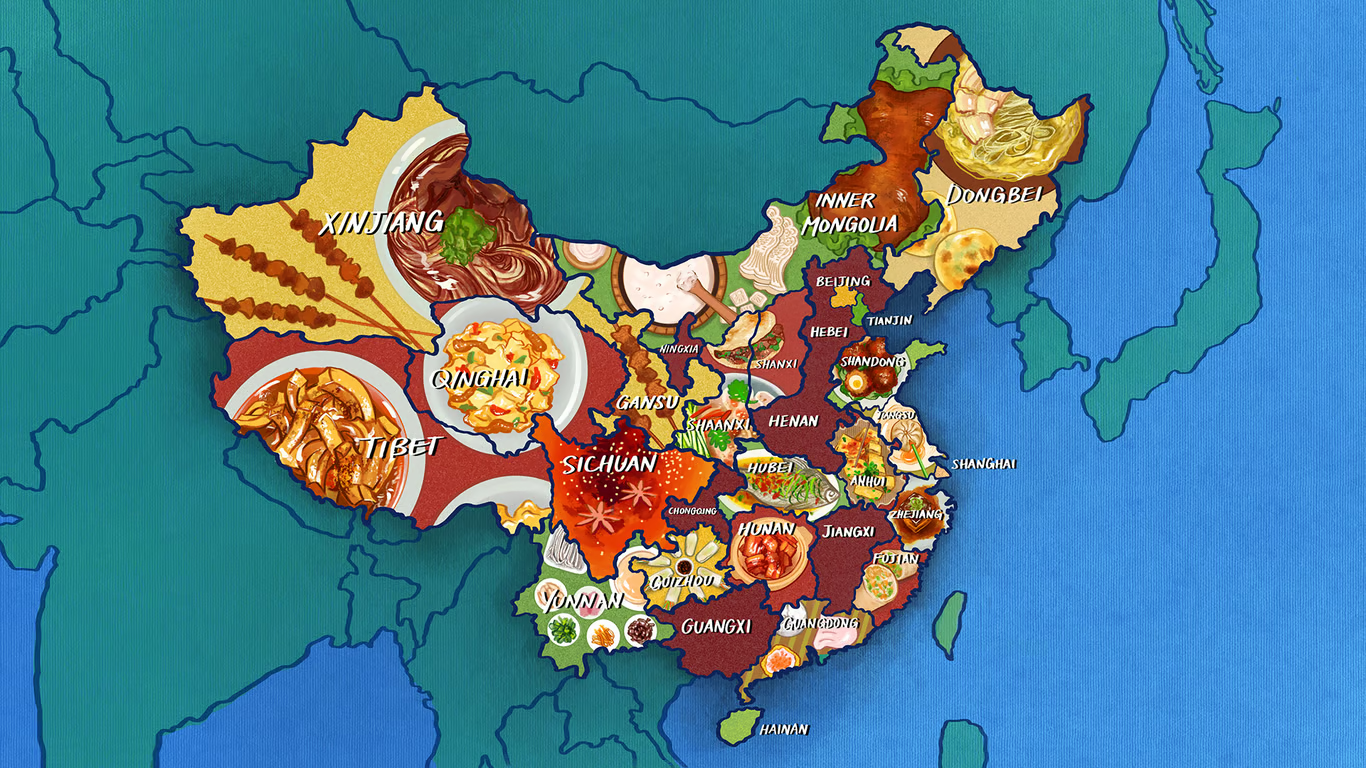
markoinbangkok.com – Chinese cuisine is a treasure trove of flavors, textures, and culinary techniques that have been perfected over thousands of years. It is not just one monolithic entity but a diverse collection of regional cuisines, each with its unique characteristics and specialties. From the spicy delights of Sichuan to the delicate flavors of Jiangsu, the Chinese provinces offer a culinary journey that is as vast as the country itself.

The Eight Culinary Traditions

The Chinese culinary landscape is often categorized into eight major traditions, each representing a different region: Anhui, Cantonese, Fujian, Hunan, Jiangsu, Shandong, Sichuan, and Zhejiang. These traditions are not only defined by their ingredients and cooking methods but also by the historical and cultural influences that have shaped them.

Sichuan: The Land of Spice

Sichuan cuisine is synonymous with bold flavors and the use of Sichuan peppercorns, which create a tingling sensation on the tongue. Dishes like Mapo Tofu, with its fiery chili bean sauce, and Kung Pao Chicken, with its spicy, sweet, and sour notes, are iconic examples of Sichuan’s culinary prowess.

Jiangsu: Subtle Elegance

Jiangsu cuisine, also known as Huaiyang cuisine, is characterized by its emphasis on freshness, delicate flavors, and meticulous presentation. Clear broths, steamed fish, and slow-cooked meats are hallmarks of this style, with dishes like Beggar’s Chicken and Sweet and Sour Mandarin Fish showcasing the region’s culinary finesse.

Cantonese: The Art of Dim Sum

Cantonese cuisine, originating from Guangdong province, is known for its variety and the art of dim sum. This style of dining, featuring small plates of dumplings, buns, and other snacks, is a social experience that has gained international fame. Cantonese chefs also excel in roasting meats, with dishes like Peking Duck and Char Siu (BBQ Pork) being prime examples.

Zhejiang: Sweet and Sour Harmony

Zhejiang cuisine balances sweet and sour flavors with a focus on seafood and freshwater products. West Lake Fish in Vinegar Gravy and Dongpo Pork, named after the famous Song Dynasty poet Su Dongpo, are celebrated dishes that highlight the region’s culinary heritage.

The Influence of Geography and History

The diverse geography of China, from its vast rivers and lakes to its mountainous regions and coastal areas, has played a significant role in shaping its regional cuisines. Access to different ingredients, such as seafood along the coast or hearty grains in the north, has influenced the development of local dishes.

Historical events and migrations have also left their mark on Chinese cuisine. The Silk Road, for example, introduced new spices and ingredients to Chinese cooking, while the spread of Buddhism influenced the development of vegetarian dishes.

Exploring the Provinces

To truly appreciate the depth and variety of Chinese cuisine, one must explore the provinces. Each region offers a unique culinary experience, with local chefs and home cooks proudly showcasing their traditional dishes. Food markets, street food stalls, and family-run restaurants are the best places to discover the authentic flavors of China.

Conclusion

The Chinese cuisine is a testament to the country’s rich cultural heritage and geographical diversity. From the fiery dishes of Sichuan to the refined flavors of Jiangsu, each province tells a story through its food. As you embark on a culinary journey through China, you’ll find that the flavors from the provinces are not just a feast for the senses but a window into the soul of the nation.

Art and Knowledge: The Portuguese Manuscripts

markoinbangkok.com – The Portuguese Manuscripts are a collection of exquisite documents that not only serve as a testament to the artistic prowess of the Portuguese during the Renaissance but also as a repository of knowledge that spans various disciplines such as navigation, cartography, and natural history. These manuscripts, often adorned with intricate illustrations and detailed calligraphy, are a window into the intellectual and cultural landscape of Portugal during the Age of Discovery.

The Art of the Manuscripts

The Portuguese Manuscripts are renowned for their artistic beauty. The pages are often illuminated with vibrant colors and adorned with gold leaf, creating a visual feast that rivals the finest works of art from the period. The illustrations, which range from detailed maps and nautical charts to depictions of exotic flora and fauna, are executed with a precision and attention to detail that speaks to the skill of the artists involved.

The Role of Illuminators

The illuminators of the Portuguese Manuscripts were highly skilled craftsmen who combined their knowledge of art with an understanding of the subjects they depicted. Their work was not only about creating aesthetically pleasing images but also about conveying accurate information, making them both artists and scholars in their own right.

Knowledge Encapsulated

Beyond their artistic value, the Portuguese Manuscripts are invaluable repositories of knowledge. They contain a wealth of information that was crucial to the exploration and expansion efforts of Portugal during the 15th and 16th centuries.

Navigation and Cartography

Many of the manuscripts focus on navigation and cartography, providing detailed instructions on sailing techniques and featuring some of the earliest maps of the newly discovered lands. These documents were essential tools for Portuguese navigators, guiding them across uncharted waters and helping to establish Portugal as a major maritime power.

Natural History and Ethnography

Other manuscripts delve into the realms of natural history and ethnography, offering insights into the flora, fauna, and indigenous peoples encountered by Portuguese explorers. These works not only document the diversity of life on Earth but also reflect the curiosity and scientific spirit of the age.

The Legacy of the Portuguese Manuscripts

The Portuguese Manuscripts continue to fascinate scholars and art enthusiasts alike. They are a testament to the intertwining of art and knowledge during the Renaissance, a period when the pursuit of understanding was as highly valued as the creation of beauty.

Preservation and Accessibility

Efforts to preserve and digitize these manuscripts have made them more accessible to a wider audience, allowing people from all over the world to appreciate their beauty and learn from their contents. Museums and libraries that house these manuscripts often host exhibitions and educational programs to highlight their significance.

Conclusion

The Portuguese Manuscripts are more than just historical documents; they are masterpieces that bridge the worlds of art and knowledge. They remind us of the human capacity for creativity and the relentless pursuit of understanding that has driven exploration and discovery throughout the ages. As we continue to explore the mysteries of our world, these manuscripts serve as a beacon of inspiration, reminding us of the beauty that can be found in the pursuit of knowledge.

The Viennese Waltz: Austria’s Whirlwind Dance

markoinbangkok.com – The Viennese Waltz, a dance that has captivated hearts and stirred souls for centuries, is not just a mere dance form but a cultural treasure of Austria. Originating in the late 18th century, it has evolved from a folk dance to a symbol of Austrian elegance and grace. This article delves into the history, characteristics, and enduring appeal of the Viennese Waltz, exploring why it remains a beloved dance around the world.

The Origins of the Viennese Waltz

The roots of the Viennese Waltz can be traced back to the peasant dances of the Austrian and German-speaking regions. It was in the late 18th century that the dance began to gain popularity among the aristocracy in Vienna. The turning point came when it was introduced to the imperial court, where it quickly became a sensation. Composers like Joseph Lanner and Johann Strauss I and II played a pivotal role in popularizing the waltz with their enchanting melodies, making it a staple of Viennese balls and social gatherings.

Characteristics of the Viennese Waltz

The Viennese Waltz is characterized by its quick tempo and whirling movements. Unlike the slower and more gliding style of the English Waltz, the Viennese Waltz is danced in a fast 3/4 time signature, with couples spinning around the dance floor in a series of intricate turns. The dance requires a high level of skill and coordination, with partners moving in perfect harmony to the music.

The Cultural Significance

The Viennese Waltz is more than just a dance; it is a symbol of Austrian culture and heritage. It embodies the spirit of Vienna, a city known for its rich musical tradition and opulent balls. The annual Vienna Opera Ball, where the elite of society come together to dance the waltz, is a testament to the enduring appeal of this dance form. The waltz has also played a significant role in the development of other dance forms, influencing the choreography of ballet and the evolution of other ballroom dances.

The Enduring Appeal

Despite the passage of time, the Viennese Waltz continues to captivate audiences around the world. Its timeless beauty and the sense of joy and exhilaration it brings to both dancers and spectators make it a beloved dance form. The waltz is taught in dance schools and performed at social events, ensuring that this Austrian treasure remains alive and well.

Conclusion

The Viennese Waltz is a dance that encapsulates the essence of Austria’s rich cultural heritage. From its humble beginnings as a folk dance to its status as a symbol of elegance and sophistication, the waltz has enchanted people for generations. As long as there are those who appreciate the beauty of dance and the joy of music, the Viennese Waltz will continue to whirl and twirl, a testament to the enduring power of art and culture.

Justice and Its Discontents: The American Legal System

markoinbangkok.com – The American legal system, a complex tapestry of laws, procedures, and institutions, is often hailed as a paragon of justice and fairness. It is designed to protect individual rights, ensure due process, and uphold the rule of law. However, beneath the surface of this esteemed system lie deep-seated discontents that challenge its very foundation. This article delves into the American legal system, exploring its structure, the ideals it strives to uphold, and the significant challenges it faces in delivering justice to all.

The Structure of the American Legal System

The American legal system is characterized by its federal structure, which divides power between the national government and the states. It comprises three main branches: the legislative, executive, and judicial. The judicial branch, the focus of this discussion, is tasked with interpreting laws and administering justice. It includes the Supreme Court, federal courts, and state courts, each with its jurisdiction and hierarchy.

Ideals of the American Legal System

At its core, the American legal system is built on several key ideals:

  1. Equal Justice Under Law: The principle that all individuals, regardless of their status, should receive fair and equal treatment under the law.
  2. Due Process: The concept that the government must respect all legal rights owed to a person according to the law before depriving them of life, liberty, or property.
  3. The Presumption of Innocence: The principle that a defendant is considered innocent until proven guilty.
  4. The Right to Counsel: The right of defendants in criminal proceedings to the assistance of legal counsel.

Discontents with the American Legal System

Despite these noble ideals, the American legal system faces numerous criticisms and challenges:

  1. Access to Justice: One of the most significant criticisms is the lack of access to justice for many Americans. High legal costs, complex procedures, and a shortage of legal aid services create barriers for low-income individuals and communities.
  2. Racial and Socioeconomic Disparities: The system is often criticized for its racial and socioeconomic biases. Studies have shown disparities in sentencing, bail, and police practices, which disproportionately affect minority communities.
  3. Mass Incarceration: The United States has the highest incarceration rate in the world, leading to concerns about the criminal justice system’s focus on punishment over rehabilitation.
  4. Judicial Appointments: The process of appointing judges, particularly to the Supreme Court, has become increasingly politicized, raising concerns about the impartiality of the judiciary.
  5. Legal Complexity: The sheer complexity of the law and legal procedures can be overwhelming, making it difficult for individuals to navigate the system without professional assistance.
  6. Delays and Inefficiency: The legal process can be slow and cumbersome, leading to prolonged trials and uncertainty for those involved.

Conclusion

The American legal system, while founded on principles of justice and fairness, is not without its flaws. The challenges it faces—from access to justice to systemic biases—are deeply rooted and require concerted efforts to address. Reforming the legal system to better align with its ideals is an ongoing process that involves legal professionals, policymakers, and the public. It is only through continuous reflection, critique, and reform that the American legal system can hope to live up to its promise of justice for all.

Australia’s Contribution to Global Technology: Innovation Island

markoinbangkok.com – In the vast ocean of global technological advancements, Australia stands as an Innovation Island, a hub of creativity and progress that has made significant contributions to the world’s technological landscape. Despite its geographical isolation, Australia has been a breeding ground for groundbreaking innovations that have shaped industries and improved lives worldwide. This article explores the unique position Australia holds in the global technology sector and the myriad ways in which it continues to influence and inspire technological innovation.

The Birth of Innovation: Australia’s journey as an Innovation Island began with its pioneering spirit and willingness to embrace new ideas. The country’s history is dotted with inventions that have had a lasting impact on the world, from the black box flight recorder to the cochlear implant. These innovations are a testament to the ingenuity of Australian inventors and the supportive ecosystem that encourages creative thinking and problem-solving.

A Thriving Ecosystem: Australia’s commitment to fostering innovation is evident in its robust research and development sector. With world-class universities and research institutions, the country has become a hotbed for cutting-edge research in fields such as artificial intelligence, renewable energy, and biotechnology. Government initiatives and private investments have further fueled the growth of startups and tech companies, making cities like Sydney, Melbourne, and Brisbane key players in the global tech scene.

Global Impact: Australia’s contributions to global technology extend beyond its borders. Australian companies have developed revolutionary software and platforms that are used worldwide, enhancing productivity, connectivity, and accessibility. The country’s expertise in cybersecurity, fintech, and agritech has positioned it as a leader in these sectors, offering solutions that address global challenges.

Collaboration and Education: The spirit of collaboration is a cornerstone of Australia’s success as an Innovation Island. Partnerships between academia, industry, and government have facilitated the rapid development and deployment of new technologies. Moreover, Australia’s emphasis on education and skills development ensures a steady pipeline of talent ready to push the boundaries of what’s possible.

Looking to the Future: As the world continues to evolve, Australia remains at the forefront of technological innovation. With a focus on emerging technologies such as quantum computing, blockchain, and the Internet of Things (IoT), Australia is poised to make even more significant contributions to the global tech landscape. The country’s dedication to sustainability and clean technology also aligns with the global push towards a greener future, making Australia a beacon of hope and progress.

Conclusion: Australia’s role as an Innovation Island is more than just a metaphor; it is a testament to the country’s ability to thrive in isolation while making a profound impact on the world. From its early inventions to its current leadership in technology, Australia has demonstrated that with the right mindset and support, even an island can change the world. As the global technology sector continues to evolve, Australia’s contributions will undoubtedly remain a key driver of innovation, shaping the future for generations to come.