Jewish Culture Festival: A Celebration of Heritage & Tradition

markoinbangkok.com – The Jewish Culture Festival is a vibrant celebration of Jewish culture, heritage, and tradition. Held annually in various cities around the world, these festivals offer a unique opportunity to experience the rich tapestry of Jewish life. Through a diverse range of events, including concerts, exhibitions, lectures, workshops, and culinary experiences, these festivals aim to educate, entertain, and inspire.

A Tapestry of Jewish Culture

Jewish Culture Festivals showcase the multifaceted nature of Jewish culture. They delve into various aspects of Jewish life, such as:

  • Music: From traditional Klezmer music to contemporary Jewish compositions, these festivals offer a wide range of musical experiences.
  • Art and Literature: Exhibitions of Jewish art, book readings, and poetry slams highlight the rich literary and artistic heritage of the Jewish people.
  • History and Religion: Lectures and discussions explore the history of Judaism, Jewish philosophy, and religious practices.
  • Food and Cuisine: Culinary demonstrations and tastings introduce attendees to traditional Jewish dishes and culinary traditions.
  • Film and Theater: Screenings of Jewish films and theatrical performances provide insights into Jewish history and culture.
  • Workshops and Classes: Hands-on workshops offer opportunities to learn about Jewish crafts, cooking, and other cultural practices.

A Platform for Intercultural Dialogue

Jewish Culture Festivals often serve as platforms for intercultural dialogue and understanding. By bringing together people from diverse backgrounds, these festivals foster tolerance, respect, and appreciation for different cultures. They provide a space for open dialogue and the exchange of ideas, promoting a more inclusive and harmonious society.

A Celebration of Jewish Identity

For many Jewish people, these festivals offer a chance to connect with their heritage and identity. They provide a sense of belonging to a larger community and offer opportunities to learn about Jewish traditions and customs. For non-Jews, these festivals offer a window into the rich and diverse world of Jewish culture.

The Impact of Jewish Culture Festivals

Jewish Culture Festivals have a significant impact on both Jewish communities and the wider public. They:

  • Promote Jewish culture and heritage: By showcasing the richness and diversity of Jewish culture, these festivals help to preserve and promote Jewish traditions.
  • Foster intercultural dialogue: They create opportunities for people from different backgrounds to interact and learn from each other.
  • Educate the public: By providing educational programs and cultural experiences, these festivals raise awareness of Jewish history, culture, and religion.
  • Strengthen Jewish identity: They provide a sense of belonging and connection to the Jewish community.
  • Contribute to local economies: They attract visitors and stimulate local businesses.

By celebrating the past, present, and future of Jewish culture, these festivals continue to inspire and enrich the lives of people around the world.
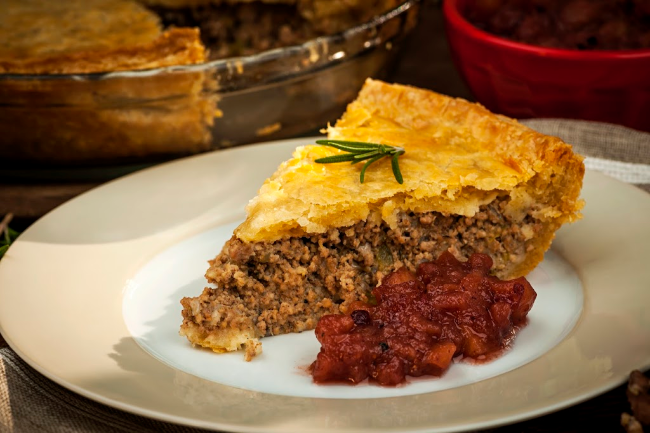
Tourtière: A Hearty Pie, A Canadian Tradition

markoinbangkok.com – Tourtière, a savory meat pie, is a beloved dish in Canadian cuisine, particularly in Quebec. It’s a hearty and comforting meal, often enjoyed during the winter holidays. With its rich filling of ground meat, potatoes, and spices, tourtière is a true taste of Canadian heritage.

A Filling of Flavor

The heart of a tourtière lies in its filling. Traditionally, ground pork is the primary meat used, but ground beef or a combination of both can also be employed. The meat is combined with boiled and mashed potatoes, onions, and a blend of spices like cloves, nutmeg, and allspice. This savory mixture is then encased in a flaky pastry crust and baked to golden perfection.

A Culinary Journey Through Time

The origins of tourtière can be traced back to French-Canadian settlers. The dish was a practical way to use up leftover meat and potatoes, and it quickly became a staple of winter meals. Over time, tourtière evolved into a culinary tradition, passed down through generations of families.

A Modern Twist

While the classic tourtière recipe remains popular, modern chefs have put their own spin on this traditional dish. Some variations include adding different meats, vegetables, or cheeses to the filling. Additionally, using puff pastry for the crust can add a luxurious touch.

A Festive Favorite

Tourtière is often associated with Christmas and New Year’s celebrations in Canada. It’s a dish that brings families and friends together, sharing stories and laughter over a delicious meal. Whether you’re a seasoned home cook or a novice in the kitchen, tourtière is a rewarding dish to make. With its rich flavors and comforting warmth, it’s sure to become a holiday favorite.

Holubtsi: Cabbage Rolls Filled with Rice and Meat

markoinbangkok.com – Holubtsi, also known as cabbage rolls, are a beloved dish in many Eastern European cuisines, particularly in Ukrainian, Polish, and Russian traditions. These delectable rolls are made by wrapping a mixture of rice and meat in cabbage leaves, then simmering them in a flavorful sauce. Holubtsi are not only delicious but also represent a comforting and hearty meal, often enjoyed during festive occasions and family gatherings.

The Origins of Holubtsi

The word “holubtsi” is derived from the Ukrainian word “holub,” meaning “dove,” which may refer to the way the small, neatly wrapped rolls resemble tiny birds. This dish has a rich history and is believed to have been influenced by various cultures along the trade routes of Eastern Europe, integrating diverse culinary practices over the centuries.

Ingredients and Preparation

Ingredients

The basic ingredients for traditional Holubtsi include:

  • Cabbage leaves: Typically, large green cabbage is used, but savoy cabbage can also work well.
  • Rice: The rice is often pre-cooked or parboiled before being mixed with the meat.
  • Meat: Ground pork, beef, or a combination of both are commonly used.
  • Onions and garlic: These add depth and aroma to the filling.
  • Seasonings: Salt, pepper, and sometimes herbs like dill or parsley enhance the flavor.
  • Tomato sauce or broth: Used for cooking the rolls, adding moisture and a rich taste.

Preparation

  1. Prepare the Cabbage Leaves: The cabbage leaves must be softened before wrapping. This can be done by blanching them in boiling water or freezing the whole head of cabbage and then thawing it, which softens the leaves.
  2. Make the Filling: Cook the rice until slightly tender, then mix it with the ground meat, finely chopped onions, garlic, and seasonings.
  3. Roll the Holubtsi: Place a spoonful of the filling on each cabbage leaf, fold in the sides, and roll tightly.
  4. Cook the Rolls: Arrange the rolls in a baking dish or pot, cover them with tomato sauce or broth, and simmer gently until cooked through. This process allows the flavors to meld together beautifully.

Variations and Serving Suggestions

Holubtsi can vary widely based on regional preferences and family recipes. Some variations include adding mushrooms or carrots to the filling, using different types of meat, or incorporating spices like paprika for additional flavor.

Holubtsi are often served with a dollop of sour cream, which adds a creamy contrast to the savory rolls. They can be enjoyed as a main course or as part of a larger meal with side dishes such as mashed potatoes or a fresh salad.

Cultural Significance and Occasions

Holubtsi hold a special place in the hearts of many Eastern Europeans, often associated with holidays and family gatherings. In Ukrainian culture, they are a staple during Christmas and Easter feasts, symbolizing abundance and hospitality. The process of making Holubtsi is often a communal activity, bringing family members together in the kitchen.

Conclusion

Holubtsi are more than just a dish; they are a testament to the rich culinary traditions and cultural heritage of Eastern Europe. Whether enjoyed as a comforting family meal or as part of a festive celebration, these cabbage rolls filled with rice and meat offer a delicious taste of tradition. Their enduring popularity is a tribute to their versatility and the joy they bring to those who make and eat them.

The Melanesian Culture of Vanuatu: Traditions & Customs

markoinbangkok.com – The Melanesian culture of Vanuatu is a vibrant tapestry woven from the diverse traditions and customs of its indigenous people. This unique cultural landscape is characterized by its rich heritage, deep-rooted traditions, and dynamic customs that have been preserved and adapted over centuries. This article explores the fundamental aspects of Vanuatu’s Melanesian culture, highlighting its traditional practices and customs.

Traditional Practices

The traditional practices in Vanuatu are integral to the identity of its people. These practices encompass a wide range of activities, from ceremonial rituals to everyday life. One of the most renowned traditional practices is the custom of sand drawing, a form of storytelling and communication using intricate designs traced in the sand. Each design holds symbolic meaning and is often used to pass down stories and knowledge from one generation to the next.

Another significant tradition is the art of weaving, particularly using pandanus leaves to create mats, baskets, and other items. Weaving is not only a practical skill but also a cultural expression, with patterns and designs often representing specific clans or communities.

Ceremonial Customs

Ceremonial customs play a crucial role in the social and cultural life of Vanuatu. These ceremonies often involve elaborate rituals, dances, and music, serving as a means of celebrating important life events such as births, marriages, and deaths. The most famous of these is the Naghol, or land diving ceremony, on Pentecost Island, which is both a rite of passage and a celebration of the yam harvest.

Ceremonial customs also include the complex systems of exchange and reciprocity, such as the giving of gifts and feasts, which are crucial for maintaining social harmony and reinforcing relationships within and between communities.

Social Structure and Community Life

The social structure in Vanuatu is predominantly communal, with strong emphasis on kinship and clan affiliations. The chiefly system is a key aspect of social organization, where chiefs hold significant authority and are responsible for the welfare of their people. Community life is characterized by cooperation and mutual support, with communal activities and shared responsibilities being central to daily life.

Beliefs and Spirituality

Beliefs and spirituality in Vanuatu are a blend of traditional animistic practices and Christianity. Many communities still observe kastom, a set of traditional beliefs and practices that govern social behavior and community life. These beliefs often involve reverence for ancestors, spirits, and natural elements, which are considered integral to the well-being of the community.

Conclusion

The Melanesian culture of Vanuatu, with its rich traditions and customs, is a testament to the resilience and adaptability of its people. The preservation of these cultural practices is vital for maintaining the identity and heritage of Vanuatu’s diverse communities. As the nation continues to navigate the challenges of modernization and globalization, its cultural traditions remain a source of pride and strength, ensuring that the spirit of Melanesia endures.

Suriname: A Melting Pot of Traditions

markoinbangkok.com – Suriname, a small country on the northeastern coast of South America, is a vibrant tapestry of cultures, each contributing to the nation’s rich mosaic of traditions. This unique blend is a result of its history as a Dutch colony, which saw the arrival of people from Africa, India, Indonesia, China, and Europe, among others. Today, Suriname stands as a testament to the power of cultural integration, where diverse traditions coexist and flourish.

The Historical Backdrop

The story of Suriname’s cultural diversity begins in the 17th century when the Dutch established a colony. To work the plantations, they brought enslaved Africans. After slavery was abolished in 1863, indentured laborers from India, Indonesia (then the Dutch East Indies), and China were brought in. This influx of people from different corners of the world laid the foundation for Suriname’s multicultural society.

African Heritage

The African influence is palpable in Suriname’s music, dance, and religion. Maroon communities, descendants of escaped enslaved Africans who live in the interior of the country, have preserved their traditions, including the use of drums in ceremonies and the practice of traditional medicine.

Indian Contributions

The Indian community has significantly shaped Suriname’s cultural landscape. Hindu and Muslim festivals such as Diwali and Eid are celebrated with enthusiasm. The cuisine, too, has been heavily influenced by Indian spices and cooking techniques, with dishes like roti and dal puri being staples in Suriname.

Indonesian Influence

The Indonesian influence is evident in the culinary traditions of Suriname. Dishes like nasi goreng (fried rice) and satay are popular, reflecting the legacy of the Javanese and other Indonesian immigrants. The Surinamese kitchen is a harmonious blend of these flavors, creating a unique culinary identity.

Chinese Presence

The Chinese community has also left its mark, particularly in the business sector and cuisine. Chinese New Year is celebrated with dragon dances and firecrackers, adding to the cultural tapestry of Suriname.

European Contributions

The Dutch colonial past is reflected in the architecture of Paramaribo, the capital city, with its wooden houses and the imposing Saint Peter and Paul Basilica. The Dutch language, too, remains the official language of Suriname, a legacy of its colonial history.

A Unique Cultural Identity

Despite the diversity, Suriname has managed to forge a unique national identity. The annual celebration of Javanese Culture Day, Indian Arrival Day, and Maroon festivals are national holidays, showcasing the country’s respect for its multicultural heritage. These events are celebrated by all, regardless of ethnic background, highlighting the inclusive nature of Surinamese society.

Conclusion

Suriname’s cultural diversity is its greatest strength. It is a living example of how different traditions can coexist and enrich each other. As the world becomes more interconnected, Suriname offers a model of cultural integration and harmony. Its people, proud of their heritage, continue to celebrate their traditions, ensuring that the melting pot of Suriname remains vibrant and alive for generations to come.